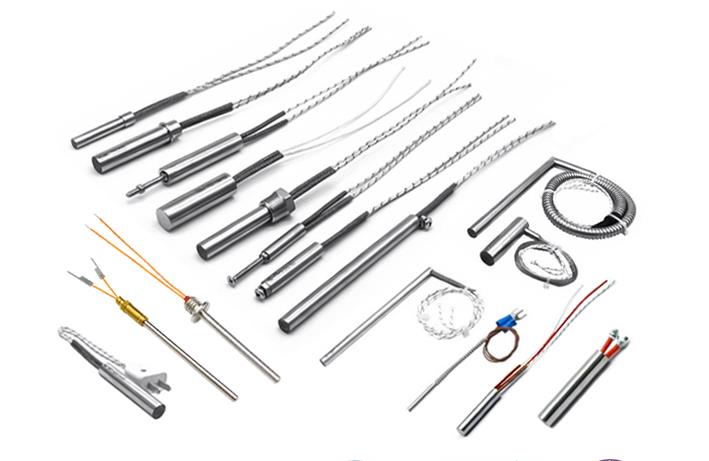
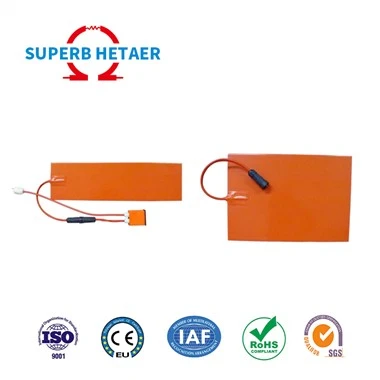
3D printers heating element
Leave a message
3D printers are revolutionizing the way we design and manufacture products. 3D printers allow for the creation of complex, intricate and precise prototypes and parts faster and easier than ever before. An integral component of most 3D printers is the heating element and it has immense benefits for the printer and the 3D printing process.
The heating element in 3D printers is responsible for heating up the materials used in the printing process. Materials such as plastic and metal can be heated up in order to become malleable. This allows for the material to be manipulated and shaped in intricate and precise ways. Without a heating element, a 3D printer would not be able to handle these materials and the printing process would be significantly slower.
The heating element is also essential for other types of projects. For example, soldering projects require the use of a heating element to join two pieces of metal together. Soldering projects are becoming increasingly important for 3D printing as many 3D printed parts require soldering in order to be functional.
The heating element is also responsible for controlling the temperature of the printer. This is an incredibly important process as it ensures that the printer remains stable and that the temperature is consistent throughout the print. This is especially important for creating fine details and precise shapes in the parts and prototypes. Without a proper heating element, the machine would suffer from temperature discrepancies which would result in poor quality prints.
Lastly, the heating element is necessary for ensuring safety. 3D printing is an incredibly complex process and if done improperly, it can cause dangerous incidents. The heating element helps to ensure that the printer is running safely and securely.
In summary, the heating element in 3D printers is an essential component for successful 3D printing. It is responsible for controlling the temperature of the machine, allowing for precise shapes to be printed and for soldering 3D printed parts. It also ensures that all materials are correctly heated, allowing for them to be manipulated and shaped accordingly. Finally, it helps to ensure that the printer remains safe and running optimally during the printing process.