

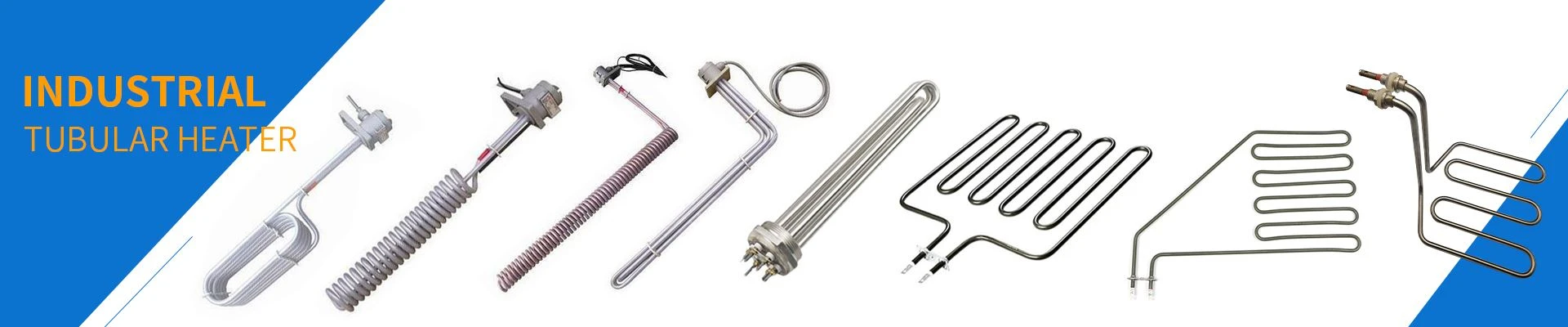
As an excellent tubular heater manufacture, we have focused on tubular heater over 30 years, we can provide one-stop heating products service what you need :
Quality Control and Testing: Implement rigorous first-rate manipulate measures for the duration of the producing process, from uncooked cloth sourcing to very last product checking out. Use superior checking out device to confirm the performance, durability, and protection of your heater.
Continuous Innovation: Invest in studies and improvement to live at the leading edge of technological improvements in materials, heating efficiency, and manipulate systems. Regularly introduce new merchandise or enhance present ones to fulfill evolving marketplace needs and purchaser wishes.
Customization Capabilities: Offer customization offerings to cater to the numerous wishes of customers throughout one-of-a-kind industries. Be bendy in editing wattage, size, materials, and manipulate alternatives to offer tailor-made solutions.

Customer Focus: Prioritize customer support and support, making sure short reaction times, professional technical assistance, and post-income offerings. Build long-time period relationships via way of means of expertise and exceeding purchaser expectations.
Compliance and Certification: Ensure all merchandise follow worldwide protection requirements and regulations, inclusive of UL, CE, or nearby equivalents. Obtain vital certifications to validate the first-rate and protection of your warmers.
Efficient Production Processes: Implement lean production standards to optimize manufacturing efficiency, lessen waste, and preserve aggressive pricing with out compromising first-rate.

Training and Expertise: Invest withinside the schooling and expert improvement of your body of workers to make sure they've the expertise and talents to provide top-first-rate warmers and offer professional recommendation to customers.
Environmental Responsibility: Adopt sustainable practices in production, inclusive of the use of green materials, lowering power consumption, and coping with waste effectively. Offer power-green merchandise to enchantment to environmentally aware consumers.
After-Sales Service: Provide complete after-income offerings, which include assurance coverage, restore offerings, and person courses to make sure purchaser pleasure and loyalty.
Because our products are more affordable, faster to design and produce, and better quality, our products are exported to Europe, Southeast Asia, the United States and other countries.

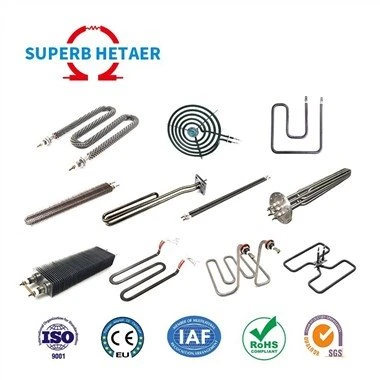
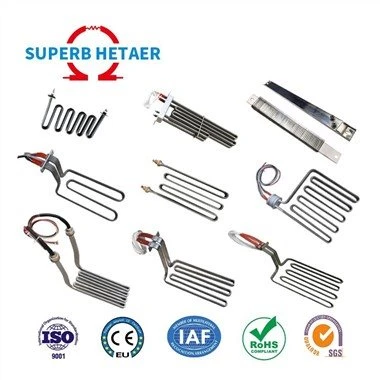
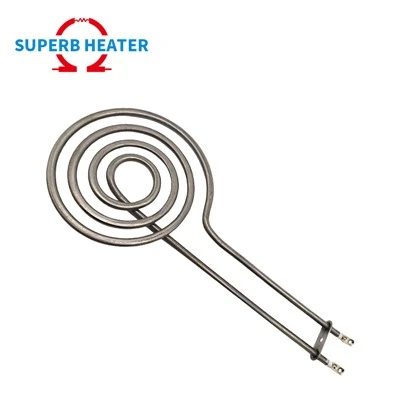


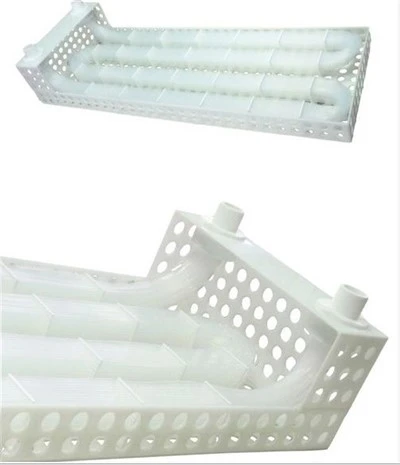
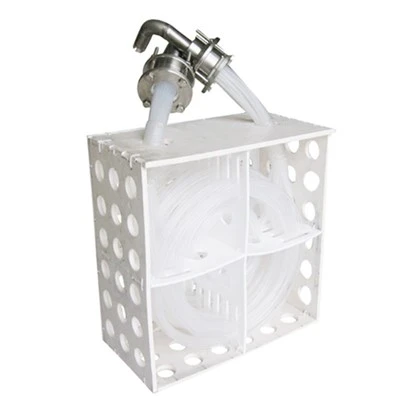

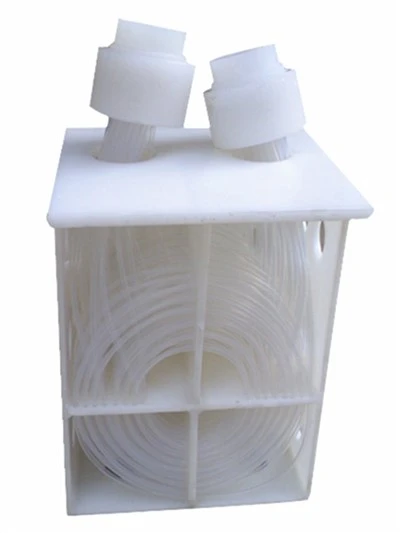
Tubular heater heating elements
1. What is a tubular heater?

2. How does a tubular heater work?
1. Electricity Supply: When an electrical modern-day is implemented to the heater, it flows thru the heating element. The twine or coil has a excessive electric resistance, which reasons the power to transform into warmth power because it encounters resistance. This is because of Joule's Law, which states that the warmth generated in a conductor is proportional to the rectangular of the modern-day passing thru it and the resistance of the conductor.
2. Heat Transfer: The warmth generated via way of means of the resistance twine is performed thru the magnesium oxide to the outer sheath of the tube. From there, the warmth is dissipated into the encompassing medium—this may be the air, a liquid (if the heater is immersed), or a floor (if the heater is in touch with a stable object).
3. Heat Distribution: Depending at the layout and application, tubular heaters may be configured to offer both direct or oblique heating. In direct heating applications, which include immersion warmers, the warmth is transferred without delay to the liquid or gas. In oblique heating, in which the heater is used for air warming or floor heating, the warmth radiates from the sheath, warming the encompassing environment.
4. Control and Regulation: Tubular warmers may be managed via way of means of a thermostat or a temperature controller to hold a particular temperature. These manipulate structures screen the temperature and alter the electricity provided to the heater accordingly, making sure green and secure operation.
3. What are the advantages of tubular heater?
Tubular heaters provide numerous benefits that cause them to a famous desire for numerous heating applications. Here are a number of the important thing benefits:
1. Versatility: Tubular heaters are surprisingly flexible and may be utilized in a extensive variety of applications, from frost safety and area heating to commercial procedure heating and system temperature maintenance.
Efficient Heat Transfer: The layout of tubular warmers, with a heating detail encapsulated in a thermally conductive cloth including magnesium oxide, guarantees green switch of warmth to the encompassing medium, whether or not it is air, liquids, or solids.
2. Durability: Made from robust substances like stainless-steel or aluminum, tubular heaters are immune to corrosion and mechanical damage, making sure an extended carrier life, specifically whilst utilized in harsh environments.
Customizability: Tubular warmers may be custom designed in phrases of length, diameter, wattage, and sheath cloth to exactly meet the necessities of unique applications. This lets in for tailor-made heating solutions.
3. Ease of Installation: Many tubular heaters include mounting hardware or are designed for clean integration into present structures, making set up honest and adaptable to distinctive setups.
4. Low Maintenance: With fewer shifting elements and sturdy construction, tubular heaters usually require minimum maintenance, lowering downtime and running prices over their lifetime.
5. Safety Features: They may be prepared with integrated protection functions including thermal fuses and overheat safety, improving protection in operation.
6. Economic Operation: Due to their performance and cappotential to be managed with precision, tubular heaters may be cost-powerful to run, specifically whilst used with temperature manipulate structures that save you useless strength usage.
7. Uniform Heating: When designed and hooked up correctly, tubular heaters can offer uniform warmness distribution, that's mainly essential in commercial methods wherein steady temperatures are crucial.
8. Adaptability to Temperature Control: Tubular heaters may be without problems incorporated with thermostats, controllers, or sensors, making an allowance for specific temperature law and automation, improving standard machine performance and manipulate.
4. What is the temperature of a tubular heater?
The temperature of a tubular heater can range broadly relying on numerous factors, together with the watt density (strength output consistent with unit floor area), the cloth of the sheath, the application, and the extent of warmth dissipation or manage provided. Generally, tubular warmers are designed to function inside a wide temperature variety which could span from simply above ambient temperatures for frost safety programs as much as about 1100°F (593°C) or better in a few specialised business programs.
For instance:
1. Low Temperature Applications: For frost safety or moderate heating requirements, tubular warmers may hold temperatures simply sufficient to save you freezing or to softly heat an environment, which will be as little as 40°F (4°C) above ambient.
2. General Purpose Heating: In programs like area heating or air duct heating, the working temperature may variety from 150°F to 400°F (65°C to 204°C), relying at the unique needs.
3. High Temperature Processes: For business methods concerning high-temperature fluids, ovens, or furnaces, tubular warmers may be designed to resist and function at temperatures exceeding 1000°F (538°C).

5. How to use a tubular heater?
Using a tubular heater includes right set up, setup, and operation tailor-made to the particular software and the heater's design. Here's a widespread manual on the way to use a tubular heater accurately and effectively:
1. Read the Manual
Before putting in or the use of the tubular heater, very well examine the manufacturer's commands and protection guidelines. This will offer particular information about the heater's capabilities, set up requirements, and any precautions you want to take.
2. Determine the Application
Identify the precise reason of the heater. Is it for frost protection, area heating, procedure heating, or every other particular use? Knowing the software will assist you pick the proper wattage, sheath material, and set up method.
3. Select the Right Location
Decide at the great region for the heater, making sure it is hooked up farfar from flammable materials, water sources, and regions wherein it can be by chance touched or obstructed. For air heating, make sure there is ok area across the heater for warmth dissipation. For immersion heaters, make sure the heater is like minded with the liquid being heated.
4. Install the Heater
Follow the manufacturer's commands for set up, which might also additionally contain mounting the heater the use of brackets, clamps, or threading it into a selected housing. For immersion heaters, make sure the heater is absolutely submerged and secured nicely.
5. Wiring and Power Connection
Connect the heater to a strength supply following all nearby electric codes and the manufacturer's guidelines. Use a nicely rated circuit and, if necessary, hire an authorized electrician for the set up to make sure protection.
6. Implement Temperature Control
If the heater does not include integrated temperature control, set up a thermostat or temperature controller to adjust the warmth output. This will assist keep a secure and green working temperature, stopping overheating.
7. Test and Monitor
Before leaving the heater unattended, take a look at it to make sure it is functioning effectively and that every one protection functions are operational. Regularly screen the heater and its environment to test for any uncommon warmth, smells, or different symptoms and symptoms of malfunction.
8. Maintenance and Cleaning
Regularly easy the heater and its environment to cast off dirt and particles that might intrude with warmth switch or pose a hearthplace risk. Follow the manufacturer's guidelines for preservation and inspection schedules.
9. Safety Precautions
Never contact the heater whilst it is in operation, and usually disconnect the strength earlier than acting any preservation or cleaning. Keep the place across the heater clean of flammable items and make sure right air flow if required.
6. How to select a tubular heater?
Selecting the proper tubular heater to your particular software calls for cautious attention of numerous elements to make certain highest quality performance, performance, and protection. Here's a step-through-step manual on a way to select a tubular heater:
1. Define the Application: Clearly pick out the motive of the heater. Is it for frost protection, area heating, procedure heating, or retaining a selected temperature in a bit of equipment?
2. Measure the Space: Determine the scale of the location or quantity that wishes to be heated. This will assist in calculating the specified wattage and the right length of the heater.
3. Calculate Wattage: Estimate the wattage wanted primarily based totally at the heating requirements. This frequently includes calculating the warmth lack of the area, the favored temperature rise, and the insulation properties. For easier packages, producers might also additionally offer tips primarily based totally on room length or tank quantity.
4. Choose the Sheath Material: Select the right sheath fabric primarily based totally at the running environment. Stainless metallic is flexible and proof against corrosion, perfect for plenty business packages. Aluminum is light-weight and excellent for decrease temperature packages, whilst Incoloy is ideal for high-temperature or corrosive environments.
5. Determine Mounting and Installation Requirements: Consider wherein and the way the heater may be installed. Will or not it's established vertically, horizontally, or immersed? Choose a heater with the proper mounting brackets or add-ons to your setup.
6. Temperature Control: Decide whether or not you want integrated or outside temperature control. Some warmers include fundamental thermostats, whilst others require separate controllers to hold the favored temperature.
7. Safety Features: Look for protection capabilities together with overheat protection, thermal fuses, or grounded sheaths, particularly essential for packages wherein the heater is probably left unattended or in risky environments.
8. Certifications and Standards: Ensure the heater complies with applicable protection requirements and certifications to your location or industry, together with UL, CE, or CSA.
9. Customization Options: If your software calls for particular specifications, search for producers that provide customization services, together with unique lengths, watt densities, or terminations.
10. Cost and Energy Efficiency: Compare the preliminary fee with the anticipated running charges and power performance. A extra expensive, high-performance heater might also additionally store cash in the end via decrease power bills.
11. Warranty and Support: Check the assurance presented through the producer and don't forget their popularity for customer service and service.
