can you use an immersion heater to heat a pool
Leave a message
Can You Use an Immersion Heater to Heat a Pool?
Yes, technically you can use an immersion heater to heat a swimming pool… but in almost every real-world situation, it's a very poor and extremely expensive choice for most pool owners.
Let's break it down realistically so you can understand why immersion heaters are rarely (if ever) recommended by serious pool professionals or equipment suppliers.
What Most People Mean by "Immersion Heater"
When people ask about immersion heaters for pools, they're usually referring to one of two things:
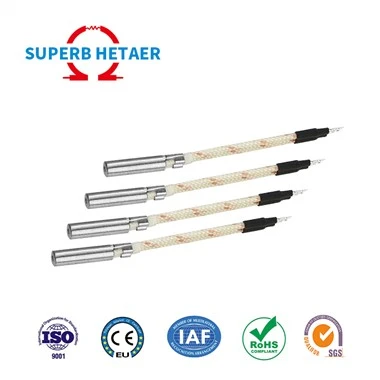
Classic screw-in style electric immersion heaters (the long copper/steel rod type commonly used in domestic hot water tanks) – typically 1–3 kW
Larger flange-mounted or over-the-side industrial immersion heaters (3 kW–36 kW or even higher)
The Hard Numbers – Why It Almost Never Makes Sense
Take a typical small-to-medium residential pool in a temperate climate:
Volume: 40–60 m³ (about 10,500–15,850 US gallons)
Desired temperature rise: 10°C (18°F)
Heat loss factor: pools commonly lose 4–8°C per day in spring/autumn without a cover (even more if windy)
Realistic heating time comparison (assuming 100% efficiency – which you never get):
Heater PowerTime to raise 50 m³ pool by 10°CApprox. electricity cost* (SGD, ~0.32/kWh)Daily running cost to maintain temp2 kW (domestic immersion)~250–300 hoursS$80–96 per 10°C riseS$15–30+/day9 kW (big single-phase industrial)~55–65 hoursS$18–21 per 10°C riseS$70–140+/day18 kW (serious industrial)~28–32 hoursS$9–10 per 10°C riseS$140–280+/day24 kW heat pump (typical good unit)24–48 hoursS$4–8 per 10°C riseS$8–25/day
*2025–2026 Singapore residential tariff approximation
You can immediately see the pattern: even a very powerful immersion heater is dramatically slower and more expensive than a properly sized heat pump.
Other Practical Problems You'll Face
Corrosion nightmare
Most standard immersion heaters use copper, brass, or mild steel sheaths. Pool water (especially with salt chlorinators or high sanitizer levels) will destroy them in weeks to months.
Titanium-sheathed industrial heaters exist… but they cost 4–8× more than regular ones.
Installation headaches
Drilling a large hole in the pool wall or plumbing line is usually not DIY-friendly
Over-the-side heaters require special stands and risk being knocked over
You still need excellent water circulation (which means running the pump many extra hours)
Electricity supply limitations
Most homes have only 40–63A single-phase supply.
A heater above ~9–12 kW often requires three-phase power, which many residential properties simply don't have.
Safety & legal considerations
Local electrical codes in many countries require special RCD/GFCI protection and often specific bonding arrangements for pool heating
Many insurance companies become very interested when you install non-standard heating methods
When Might an Immersion Heater Actually Make Sense?
Very rare situations:
Tiny spa/hot tub (1–3 m³) that only needs occasional heating
Emergency backup heat when your main heat pump dies during peak season
Very small above-ground pool (under 12 m³) used only a few weeks per year
Off-grid solar + battery system where you already have massive excess daytime power
Even in these cases, most professionals would still point you toward a small dedicated spa heat pump or a gas heater before recommending immersion elements.