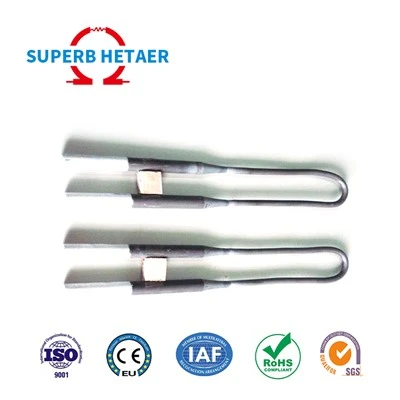
Common problems and solutions of duct heaters
Leave a message
Duct heaters, also known as hot air furnaces, are primarily used to heat air in ducts. They come in three different sizes: low-temperature, medium-temperature, and high-temperature. Their common structural feature is the use of steel plates to support the heating tubes to reduce vibration when the fan stops. They also all have over-temperature control devices installed in the junction box.
When a duct heater has a problem while in operation, many people assume it's a quality issue and rush to buy a new one. This approach is undesirable; only by identifying the root cause can a better solution be found.
Common problems encountered during use include: air leakage, high junction box temperature, and insufficient temperature.
A. Air leakage: This is generally caused by a poor seal between the junction box and the upper frame of the inner chamber.
Solution: Add several gaskets and tighten. The inner chamber duct housing is made with a different process to improve the seal.
B. High junction box temperature:
Solution: There is no insulation under the junction box, and the heating tube has no cold end. This problem occurs with older Korean-style ducts. If the operating temperature is not very high, turn on the ventilation fan at the junction box.
C. The temperature is not reached.
Solution:
1. Check the current. If it is normal, then confirm the airflow. The power may be mismatched.
2. If the current is abnormal, remove the copper plate and measure the resistance of the heating element. The heating element may be damaged.