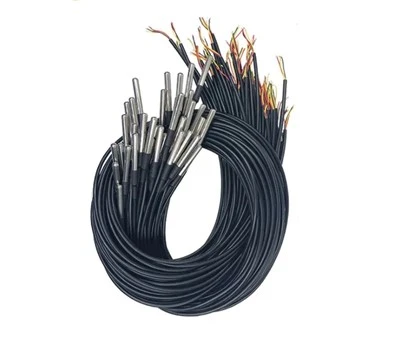
Enduring Power: Stainless Steel Heating Tubes for Extreme Conditions
Leave a message
Particularly in terms of resisting harsh circumstances, stainless steel heating tubes have become a dependable and strong solution in the field of heating applications.
The main component of these heating tubes, stainless steel is an alloy with an amazing mix. Usually it comprises iron, chromium, nickel, and other trace elements. Usually falling between 10.5% and 30%, the chromium percentage creates a thin, self-healing oxide coating on the steel's surface. Excellent resistance to corrosion of stainless steel depends on this passive film. This oxide layer is a strong barrier that prevents corrosion and deterioration whether the tubes come into contact with moisture, strong chemicals, or highly reactive surroundings.
Stainless steel heating tubes have really remarkable high temperature endurance. Heating tubes are exposed to high heat in industrial environments like glass - melting kilns, steel - manufacturing furnaces, and power - generating facilities. In certain settings, temperatures may reach rather amazing heights. Without losing its structural integrity, stainless steel can withstand these very high temperatures. For instance, stainless steel heating tubes allow a steel-making furnace-where temperatures may reach 1500°C-to run constantly. Maintaining their form and usefulness at such blistering heat, they are very vital in helping steel to melt and refine.
Apart from corrosion and strong temperature resistance, stainless steel heating tubes have amazing mechanical strength. They can resist mechanical tension and great pressure. Stainless steel heating tubes are used to heat hydrocarbons and other fluids in the petrochemical sector, where high-pressure situations are typical owing to their flow. These tubes guarantee safe and effective heating operations by allowing the flowing fluids' created internal pressure to be sustained. The strength of stainless steel also makes the tubes resistant to physical damage during installation and operation, therefore lowering the need for regular replacements.
Though not as high as certain other metals like copper, stainless steel's thermal conductivity is nevertheless adequate for many heating uses. Stainless-steel heating tubes are a great option in situations where one needs a mix of heat transmission and durability. Consider your own water heaters. Heating components made of stainless steel provide constant and dependability. They are sturdy enough to endure many years without corroding or breaking down and effectively heat the water to provide a warm supply.
Furthermore sanitary character of stainless-steel heating tubing is another benefit. Applications where cleanliness is of great relevance will find stainless steel appropriate as it is non-porous and simple to clean. Within the food and beverage sector, liquids like milk, juice, and beer are heated using stainless steel heating tubes. Their absence of dangerous chemicals or microorganisms guarantees the food and drink produced is safe and of quality.
Still, stainless steel heating tubes provide some difficulties. Cost is among the biggest problems here. Relatively costly is high-quality stainless steel with the suitable alloy composition for high-performance heating uses. The first outlay for stainless-steel heating tubes might be more than that of less expensive materials. For certain limited budgets, this cost element might discourage some applications.
Thermal expansion presents even another difficulty. A quite high coefficient of thermal expansion characterises stainless steel. This might cause tension and even damage to the heating tubes or the surrounding equipment in situations where fast temperature variations exist. Appropriate design factors, including allowing for expansion joints or using suitable insulating materials, are required to help to reduce this problem.
Notwithstanding these difficulties, the long-term advantages of stainless-steel heating tubes in demanding environments often exceed their negative effects. In many different sectors, their mechanical strength, sanitary qualities, resistance to high temperatures and corrosion, and longevity define them as essential parts. Further confirming their status as a top-choice heating solution, the performance and cost-effectiveness of stainless-steel heating tubes are projected to increase as production technologies and alloy development evolve.
Stainless steel heating tubes are designed to withstand the stresses of many home and industrial heating uses. Their special mix of features guarantees dependable, long-lasting performance. Although there are problems, continuous innovation and technical solutions will help to solve these issues, therefore allowing stainless-steel heating tubes to keep offering effective and durable heating in the face of the most demanding situations.