Extreme Conditions: Why Are Stainless Steel Heating Tubes Preferred?
Leave a message
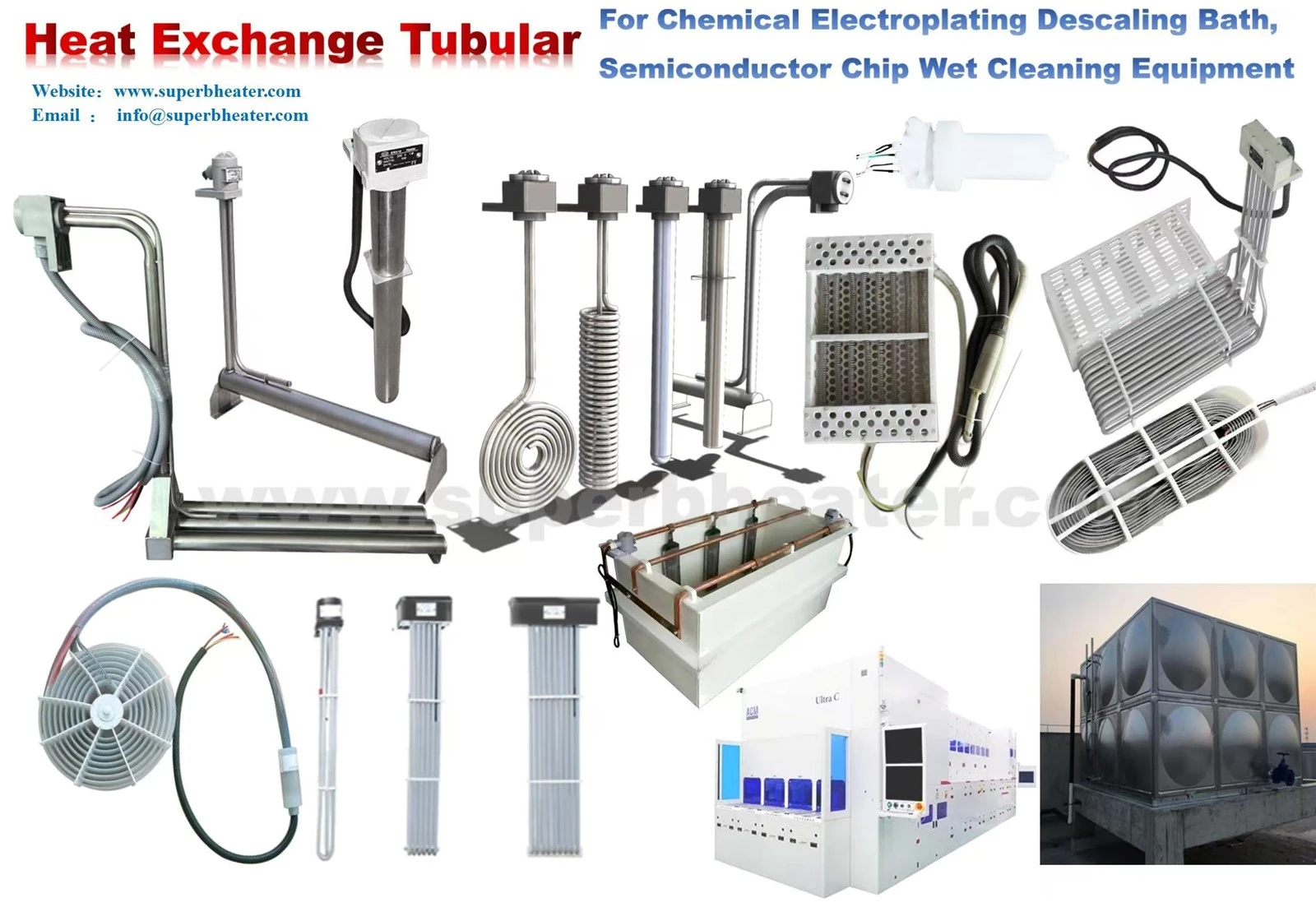
Regarding heating components, various uses involving harsh circumstances have made stainless steel heating tubes their first choice. Their great qualities and ability define their appeal rather than any random occurrence.
Usually formed of premium stainless steel, stainless steel heating tubes are built with a metal tube as the outer shell. A heating element-such as a resistive wire or heating alloy-inside the tube creates heat when an electric current flows over it. Usually magnesium oxide powder, a high-quality insulating material with great heat transmission characteristics fills the area between the heating element and the outer shell.
Excellent corrosion resistance of stainless steel heating tubes is one of the main causes of its inclination in demanding environments. Common heating tubes may rapidly degrade in settings with corrosive compounds, including as found in chemical processing factories or maritime uses. Still, stainless steel is very resistant to corrosion, which lets the heating tubes keep their structural integrity and heating efficiency for an extended time. For instance, stainless steel heating tubes can resist corrosive assaults and keep on offering dependable heating in a chemical plant including different acids and alkalis.
Their great temperature tolerance is also another major benefit. High temperatures allow stainless steel to resist major deformation or deterioration. This enables these heating tubes to run in settings with very high temperature needs, including industrial furnaces or high-temperature sterilising equipment. Certain forms of stainless steel heating tubes may even resist temperatures up to several hundred degrees Celsius or more, therefore guaranteeing consistent and effective heating even in the toughest of temperature environments.
Crucially also is the mechanical strength of stainless steel heating tubes. Common in industrial contexts, intense pressure, collisions, and vibrations may all be endured by them. Stainless steel heating tubes can preserve their shape and performance whether in a facility experiencing regular mechanical disturbances or in a heavy-duty equipment operation, therefore guaranteeing constant and dependable heating. Applications in which the heating element is exposed to different external pressures depend on its mechanical resilience.
Furthermore, stainless steel heating tubes have rather high heat transmission efficiency. Rapid and homogeneous heat transmission is made possible by the high thermal conductivity of stainless steel combined with the filler material's efficient insulating capacity. This guarantees not only the efficiency of the heating process but also helps to create a constant temperature distribution, which is essential for many operations requiring exact temperature control, such in the food processing sector or the manufacture of electronic components.
Stated in terms of safety, stainless steel heating tubes are also very consistent. Using an insulating substance within the tube helps to stop electrical leakage, therefore lowering the electrical danger. Their consistent performance and resistance to outside variables also help to reduce the possibility of unanticipated failures or safety events, therefore creating a safe workplace for the operators.
Moreover, stainless steel heating tubes need quite simple installation and maintenance. Their straightforward design and strong construction allow installation of many equipment and systems easy. Regarding maintenance, their resilience to high temperatures and corrosion as well as their longevity imply that they need less frequent replacement and maintenance, therefore lowering the total equipment downtime and expense.
Because of its outstanding corrosion resistance, high temperature resistance, mechanical strength, heat transmission efficiency, safety, and simplicity of installation and maintenance, stainless steel heating tubes are ultimately recommended in harsh environments. These features make them an essential component of many industrial and commercial heating systems as they guarantee the steady functioning and efficiency of different procedures under demanding conditions.