how does an immersion water heater work
Leave a message
How Does an Immersion Water Heater Work?
Have you ever been in a situation where you need hot water quickly, but your regular water heater is on the fritz or you're traveling and stuck with cold taps? That's where an immersion water heater comes in handy. These portable devices are like magic wands for heating water on demand, and they're surprisingly simple in how they operate. In this article, we'll break down the basics of how an immersion water heater works, from its key components to the science behind the heat. Whether you're a curious homeowner or just someone who hates cold showers, stick around-it's easier than you might think.
What Exactly Is an Immersion Water Heater?
Before diving into the mechanics, let's clarify what we're talking about. An immersion water heater, often called a "coil heater" or "immersion rod," is a compact, rod-shaped electric device designed to be submerged directly into a container of water. Think of it as a mini boiler you can plug into any electrical outlet. They're popular in places like India, Europe, and parts of Asia for quick tasks such as boiling water for tea, heating bathwater in a bucket, or even warming up small pools in a pinch.
Unlike built-in water heaters that store and heat large volumes, immersion heaters are all about portability and efficiency. They're affordable, easy to store, and can heat water in minutes. But how do they pull off this trick without turning into a fire hazard? It all comes down to basic electrical principles and clever engineering.
The Key Components of an Immersion Heater
At first glance, an immersion heater looks pretty straightforward-just a metal rod with a handle and a power cord. But inside, there's a bit more going on. Here's a quick rundown of the main parts:
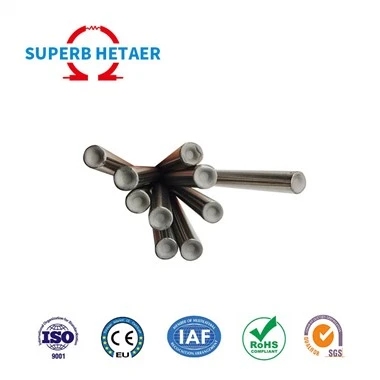
Heating Element: This is the heart of the device. Usually made from a coiled wire of high-resistance material like nichrome (a nickel-chromium alloy), it's sealed inside a protective metal tube, often copper or stainless steel. The tube prevents direct contact between the wire and water, avoiding short circuits or corrosion.
Insulation and Sheath: The heating coil is insulated with materials like magnesium oxide to keep the electricity contained and transfer heat efficiently to the outer sheath. This sheath is what touches the water and gets super hot.
Power Cord and Plug: A standard electrical cord connects to your wall socket, typically rated for 1000-1500 watts. Some models have a thermostat or indicator light to show when it's heating.
Handle and Hook: Non-conductive plastic or rubber handles make it safe to hold, and a hook or clip lets you hang it over the side of a bucket or pot.
Modern versions might include safety features like auto-cutoff thermostats that shut off power if the water gets too hot or if the device is removed from the water while plugged in.
The Science Behind the Heating Process
Now, let's get to the fun part: how it actually works. It all boils down (pun intended) to a principle called Joule heating, named after the physicist James Prescott Joule. When electricity flows through a material with high resistance-like the nichrome coil-it encounters friction at the atomic level. This friction generates heat, much like how your hands warm up when you rub them together vigorously.
Here's the step-by-step process:
Plugging In and Submersion: First, you immerse the heater fully in the water (never turn it on dry-that could damage it or cause a fire). Plug it into a grounded outlet to start the flow of electricity.
Electric Current Flows: Alternating current (AC) from your home's power supply travels through the cord to the heating coil. The coil's resistance turns that electrical energy into thermal energy. In simple terms, electrons bumping around in the wire create heat.
Heat Transfer to Water: The heat from the coil warms the surrounding metal sheath, which then transfers that energy directly to the water molecules touching it. This creates convection currents: hot water rises, cooler water sinks, and the whole container gradually heats up evenly.
Reaching Temperature: Depending on the wattage and water volume, it might take 5-15 minutes to boil a bucket. If your model has a thermostat, it will monitor the temperature and cut off power automatically to prevent overheating.
The efficiency here is impressive-almost all the electrical energy converts to heat, with minimal loss. That's why immersion heaters are great for small-scale use, though they're not ideal for huge tanks due to energy costs.
Pros, Cons, and Safety Tips
Immersion heaters are a lifesaver in many scenarios, but like any electrical appliance, they have their ups and downs. On the plus side, they're cheap (often under $20), portable, and energy-efficient for quick jobs. No installation needed-just plug and play.
However, they're not without drawbacks. They can be a shock hazard if mishandled, and leaving one on too long wastes energy or risks boiling dry. Plus, they're not as safe for continuous use as tankless or storage heaters.
Safety first: Always unplug before removing from water, use in well-ventilated areas to avoid steam buildup, and never touch the hot rod. If you're in a humid environment, ensure your outlet has a ground fault circuit interrupter (GFCI) to prevent electrocution. And pro tip: Clean the rod regularly to remove mineral buildup, which can reduce efficiency over time.
Wrapping It Up
In a world full of high-tech gadgets, the immersion water heater stands out for its simplicity and reliability. By harnessing basic physics-turning electricity into heat through resistance-it provides hot water wherever you need it, without the fuss. Next time you're brewing that morning coffee or prepping a warm bath on a chilly day, you'll appreciate the clever engineering at work.
If you've got questions about choosing the right model or troubleshooting one, drop a comment below. Stay warm and safe out there!