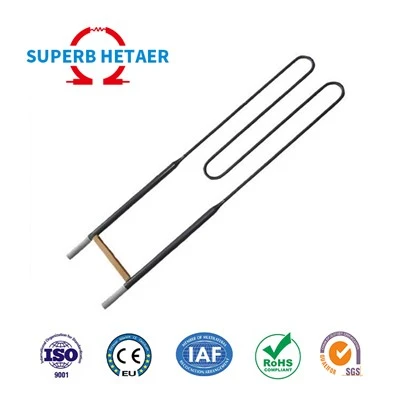
how hot does an immersion heater get
Leave a message
How Hot Does an Immersion Heater Get?
If you've ever wondered about the inner workings of your home's hot water system, immersion heaters are often at the heart of it. These handy devices are essentially electric elements submerged in water tanks to heat up your supply for showers, baths, or even industrial processes. But just how hot do they actually get? The answer isn't one-size-fits-all-it depends on the type, the setting, and the purpose. Let's dive in and break it down, so you can understand what's going on behind the scenes.
Understanding Immersion Heaters: The Basics
First off, an immersion heater is a coiled electric rod that's plunged directly into a liquid, usually water, to raise its temperature. They're common in homes, especially in places like the UK and Ireland where they're used in hot water cylinders. In industrial settings, they're beefed up for heavier duties like heating oils, chemicals, or large volumes of water. The key thing is efficiency: since the heater is fully immersed, almost all the energy goes straight into heating the fluid, with minimal waste.
But temperature? That's where it gets interesting. The heater itself-the actual element-can get scorching hot, while the water or liquid around it reaches a more controlled level. Think of it like a stovetop burner: the coil glows red-hot, but the pot of water simmers at a boil.
Typical Temperatures in Home Use
For most households, immersion heaters are all about providing safe, reliable hot water. The water temperature in your tank is usually regulated by a built-in thermostat, which kicks in to prevent things from getting too extreme. In the UK, for example, guidelines suggest setting your hot water cylinder to between 60°C and 65°C (that's about 140°F to 149°F). Why this range? It's hot enough to kill off bacteria like Legionella, which can thrive in lukewarm water and cause health issues, but not so blazing that it risks scalding when you turn on the tap.
The heater element itself, though, operates at a much higher temperature to transfer heat efficiently. It can reach up to around 482°C (900°F) internally, but don't worry-that's not what comes out of your faucet. The thermostat ensures the water stays at that safe 60-65°C mark. If you're in the US, where tank-style water heaters are more common, the recommended setting is often 49°C (120°F) to balance energy savings, bacteria control, and burn prevention. Some folks crank it up to 60°C for hotter showers, but experts warn against going above 65°C without anti-scald valves at the outlets.
Ever noticed your immersion heater taking forever to warm up a full tank? That's because factors like the heater's power rating (usually 3kW for home models), the tank's insulation, and the starting water temperature all play a role. A standard setup might take 1-2 hours to heat a 120-liter tank from cold, but the max heat is still capped by that thermostat.
Industrial and Specialized Immersion Heaters
Now, if we're talking about industrial-grade immersion heaters, things heat up-literally. These beasts are designed for tough jobs, like maintaining viscosity in oils or sterilizing equipment in factories. Depending on the model, the internal element can soar to 650°C (1200°F) or even higher, especially with ceramic or tubular designs. For water specifically, industrial heaters might push the liquid to boiling point or beyond in controlled environments, but they're often customized with watt densities to avoid vaporizing the fluid too quickly.
Take flanged immersion heaters, for instance-they're bolted into tanks and can handle high pressures, heating water to over 100°C in pressurized systems. Or over-the-side models, which dangle into open vats and might reach 482°C internally for rapid heating. The sky's (or rather, the material's melting point) is the limit here, but safety features like automatic shut-offs and overheat sensors keep disasters at bay.
What Affects the Heat Level?
Several variables determine just how hot your immersion heater gets:
Power and Wattage: Higher watts mean faster heating, but the peak temperature is still thermostat-limited in home setups.
Thermostat Settings: Adjustable on most models-turn it up for hotter water, but watch for energy bills and safety.
Material and Design: Stainless steel elements resist corrosion and handle higher temps, while copper ones are great for clean water but might not go as extreme.
Environment: In cold climates, the heater works harder; poor insulation means more heat loss.
Usage: Running it dry (without water) can cause the element to overheat dramatically-up to failure point-so always ensure it's submerged.
Safety First: Avoiding the Burn
Heat is great until it's not. Overly hot water can cause serious scalds, especially for kids or the elderly-a burn can happen in seconds at 60°C. That's why many systems include mixing valves to cool the water before it reaches your shower. On the flip side, too low (below 50°C) invites bacterial growth, so finding that Goldilocks zone is key.
Industrial users face bigger risks: electrical hazards, explosions in flammable liquids, or corrosion leading to leaks. Regular maintenance, like descaling mineral buildup, extends life and prevents hotspots. And always, always follow the manufacturer's guidelines-some heaters have failsafes that cut power if things get too toasty.
Wrapping It Up
So, how hot does an immersion heater get? In a nutshell, home versions heat water to a comfy 60-65°C, with the element itself potentially hitting 482°C under the hood. Industrial ones crank it up to 650°C or more for specialized needs. Ultimately, it's about balance: enough heat for your needs without crossing into dangerous territory. If you're tweaking your own system, grab a thermometer and test the output-better safe than sorry. And if in doubt, call a pro to check it out. Hot water should make life easier, not steamier in the wrong way!