In a Waste Incineration Wet Scrubber at pH 1.5, Which Titanium Alloy (Grade 7 or Grade 12) Provides Better Resistance to Weld Heat-Affected Zone Attack?
Leave a message
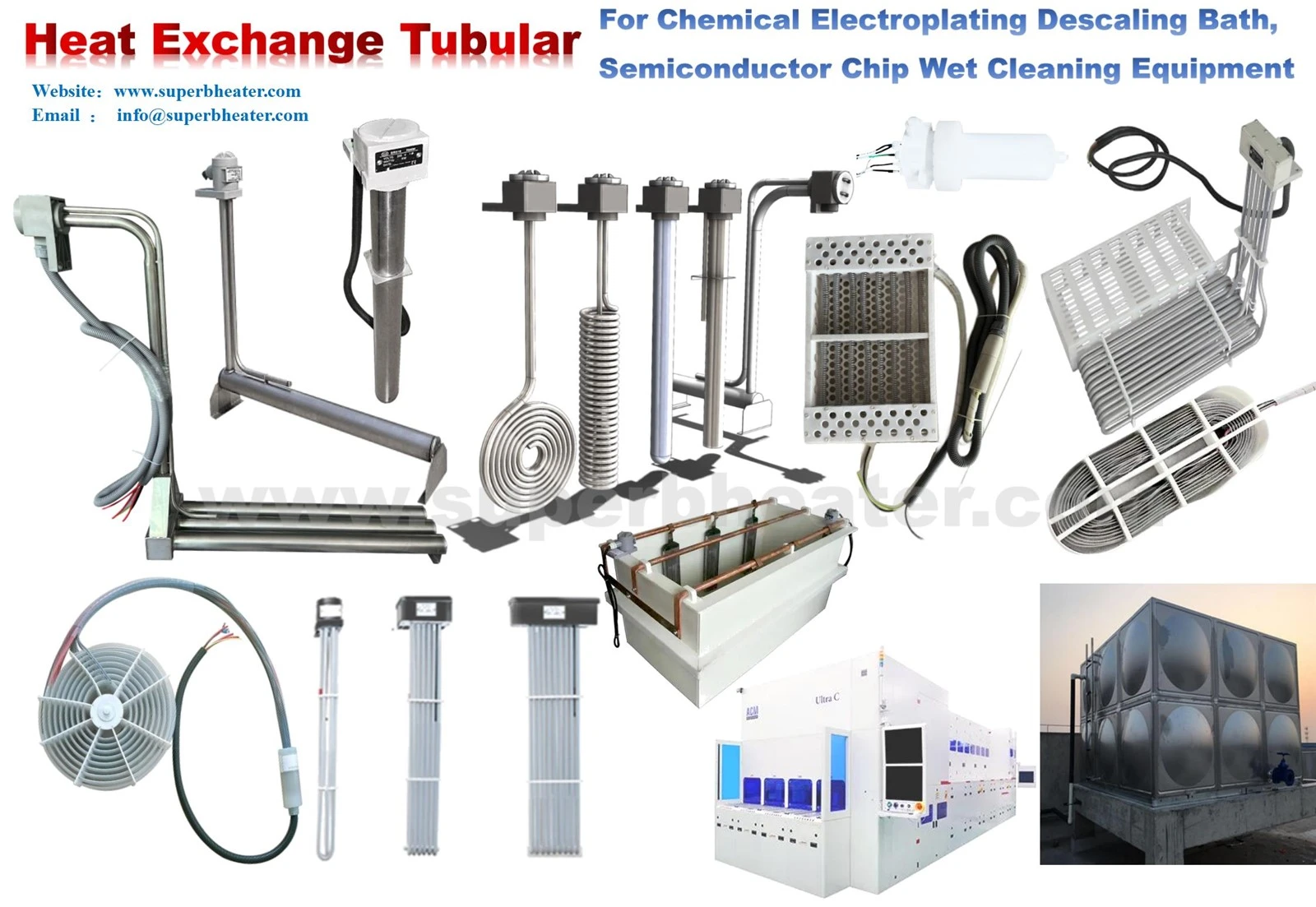
The operating conditions of the wet scrubbers in waste incineration plants are very demanding. The flue gases contain hydrogen chloride, sulfur dioxide, heavy metal chlorides and sometimes fluorine compounds. The cleaning liquor is normally operated at pH 1.5–2.5 and temperatures of 60–80°C. Titanium immersion heaters placed in these scrubbers must resist not just the bulk liquor but localized attack at welds. The weld heat-affected zone (HAZ) is the most vulnerable area during welding due to microstructural changes, residual stresses and possible contamination. The Grade 7 (Ti-0.15Pd) and Grade 12 (Ti-0.3Mo-0.8Ni) titanium alloys were designed for better corrosion resistance in reducing acids. But the weld HAZ protection is achieved by distinct mechanisms and therefore the performance is notably different in low pH, chloride loaded scrubber conditions.
Weld HAZ Attack Mechanisms in Wet Scrubber Conditions
The HAZ is subject to temperatures of 500°C up to just below the melting point during welding. This thermal cycle in Grade 2 titanium creates acicular alpha-prime martensite and coarsened grain boundaries which are more prone to acid attack. Grade 7: Palladium is preferentially enriched at grain boundaries after solidification and cooling. The cathodic catalyst palladium helps recombination of hydrogen and reduction of oxygen. This enrichment protects the HAZ even if the passive coating on the base metal is degraded. During welding, molybdenum and nickel partition into the beta phase in grade 12. The enrichment of these alloying elements in the beta phase provides a better thermodynamic stability in reducing acids. However, the distribution of beta phase in the HAZ is not uniform, which might cause galvanic cells between alloy-depleted and alloy-enriched locations.
Quantitative Comparison of Weld HAZ Attack Rates
Controlled testing in simulated scrubber liquor (pH 1.5, 2,000 ppm Cl-, 500 ppm SO42-, 50 ppm F-, 70°C) has determined the following HAZ corrosion rates for each alloy:
Grade 2 (as received, no alloying additives) HAZ corrosion rate: 0.45 mm/year. Uniform assault over the entire HAZ with preferred grain boundary etching. Accelerated thinning of the weld reinforcement. 20–30 pits/cm² HAZ density.
Grade 7 (palladium stabilized): 0.08 mm/year corrosion rate in the HAZ. Localized protection afforded by grain boundary enrichment of palladium. HAZ is frequently more corrosion resistant than basic metal. Maximum pit depth <20 µm after 5,000 hrs. No preference in attack of weld metal.
Grade 12 (molybdenum/nickel): HAZ corrosion rate 0.15 mm/yr. The beta phase enrichment provides good but not consistent protection. 2. Micro-roughened surface . 2. Selective attack of alpha phase next to beta rich regions . Maximum pit depth 50–80 mm after 5,000 hours
Long-term thermal cycling behavior
The wet scrubbers undergo regular heat cycling as the incineration load changes. Thermal cycling accelerates deterioration in HAZ :
Grade 7 after 500 thermal cycles (20 °C to 70 °C): HAZ corrosion rate unchanged 0.08 mm/year. The enrichment in palladium stays the same. Weld toes show no cracking or rapid attack.
Grade 12 HAZ corrosion rate after 500 hot cycles increases to 0.25 mm/year. Microcracks are caused by mismatch of thermal expansion of alpha and beta phases at phase boundaries. Precipitation of molybdenum carbide at grain boundaries lowers corrosion resistance.
Grade 2 increased the HAZ corrosion rate to 0.70 mm/year after 500 heat cycles. Thermal fatigue exacerbates grain boundary attack. Toes of reinforcement cracking in welds.
Wet Scrubber Service Alloy Selection Guide
The following decision matrix assists in the selection of either Grade 7 or Grade 12 titanium based on scrubber operating conditions and estimated service life.
Condition of scrubber & service priority Recommended alloy core HAZ protection mechanism Reason
pH 1.5-2.0, continuous operation, 5+ year design life Grade 7 Palladium provides outstanding, uniform HAZ protection. Justifies higher initial cost with reliability.
pH 2.0-2.5 intermittent service, low chloride (<1,500 ppm) Grade 12 Mo-Ni additions are adequate for less severe service. It is cheaper, Sub-Grade 7.
Scrubber liquor with fluoride (> 100 ppm F-)Grade 7 Palladium is less susceptible to fluoride complexation than molybdenum. Grade 12 gives soluble molybdenum fluorides.
Scrubber frequent thermal cycling (>2 cycles per day)Grade 7 Thermal cycling does not impact palladium enrichment. Microcracks at phase border (Grade 12)
HAZ corrosion retrofit of existing grade 2 heaterReplace with Grade 7 Grade 12 may not show much improvement over Grade 2 in aggressive service.
Engineering Other Than the Alloy Choices
The welding method is a major factor on HAZ performance regardless of the alloy grade. Both Grade 7 and Grade 12 require back-purging with argon (oxygen less than 50 parts per million) to prevent contamination. High heat input (more over 1.5 kJ/mm) increases the width of the HAZ and decreases corrosion resistance. Post-weld heat treatment (550°C for 30 minutes) lowers residual strains but is never necessary for Grade 7 due to its self-protecting palladium enrichment. For Grade 12, PWHT increases the HAZ corrosion resistance by 30-40% because of the more uniform re-distribution of molybdenum. The weld reinforcement should be ground flush with the tube surface to remove sources of stress concentration which commence attack.
Knowing to Specify
For a titanium heater on a waste incinerator wet scrubber at pH 1.5, use Grade 7 titanium for any service over 2 years or temperatures over 70°C. Cost-effective Grade 12 for less demanding situations (pH >2.0, temperature <60°C, no fluorides) In the procurement specification state that weld HAZ samples will be tested in simulated scrubber fluid for 168 hours. Maximum allowed corrosion rate is 0.15 mm per annum. Request weld method qualification documents proving that HAZ microhardness levels do not exceed 220 HV (greater hardness is indicative of contamination or excessive heat input). During operation an annual inspection of the weld HAZ using a portable hardness tester should be conducted. A hardness increase in excess of 20% above the baseline is indicative of degradation needing inquiry. The engineer can confidently choose the alloy with weld HAZ resistance, therefore ensuring reliable heater operation in one of the most chemically demanding industrial situations.