Injection molding machine principle and structural diagram
Leave a message
As essential equipment in the plastics processing industry, injection molding machines possess complex structures and diverse functions. They generally consist of an injection system, a mold clamping system, a hydraulic transmission system, an electrical control system, a heating and cooling system, a lubrication system, and a safety monitoring system. The following is a detailed description of each component of an injection molding machine:
1. Injection System
The injection system is the core component of the injection molding machine, responsible for heating and plasticizing the plastic material and injecting the molten plastic into the mold cavity at a specified pressure and speed within a specified time. It primarily consists of a plasticizing unit and a power transmission unit:
The plasticizing unit includes the feeding unit, barrel, screw, glue assembly, and nozzle. The barrel houses the screw, which rotates inside the barrel, pushing the plastic material forward and heating it for plasticization.
The power transmission unit includes the injection cylinder, the injection seat moving cylinder, and the screw drive (melt motor). These units provide power for screw rotation and the injection of molten plastic.
2. Clamping System
The clamping system ensures smooth mold closing, opening, and ejection of finished products. Once the mold is closed, this system provides sufficient clamping force to counteract the cavity pressure generated by the molten plastic entering the mold cavity, preventing mold cracks and ensuring product quality. The mold clamping system encompasses several key components:
Mold clamping mechanism: Clamps the mold, preventing it from opening during injection of the molten plastic.
Mold adjustment mechanism: Adjusts the mold spacing and position to accommodate molds of varying sizes.
Ejector mechanism: Ejects the molded part after it is opened.
Front and rear fixed platens: Secure the front and rear sections of the mold.
Moving platen: Mate with the fixed platen to clamp the mold during mold closing.
Mold clamping cylinder: Powers the mold clamping mechanism.
3. Hydraulic Transmission System
The hydraulic transmission system plays a crucial role in the injection molding machine. It provides power to the machine to perform the various movements required during the molding process. It also ensures that all parts of the machine can meet specific pressure, speed, and temperature requirements. The hydraulic system primarily consists of various hydraulic and auxiliary components:
Oil pump and motor: Serves as the power source, providing energy to the hydraulic system. Valves: Used to control oil pressure and flow to meet the various requirements of the injection molding process. Accumulators, hydraulic oil coolers, and filters: Used to store energy, cool the hydraulic oil, and filter impurities. Piping and hydraulic accessories: Used to connect and support the various components of the hydraulic system.
IV. Electrical Control System
The electrical control system works in conjunction with the hydraulic system to ensure the injection molding machine meets various process requirements, including pressure, temperature, speed, and time control, as well as executing various preset programs. This system primarily consists of key components such as electrical components, electronic components, instruments, heaters, and sensors. It offers a variety of control modes, including manual, semi-automatic, fully automatic, and adjustable, to accommodate diverse production needs.
V. Heating and Cooling System
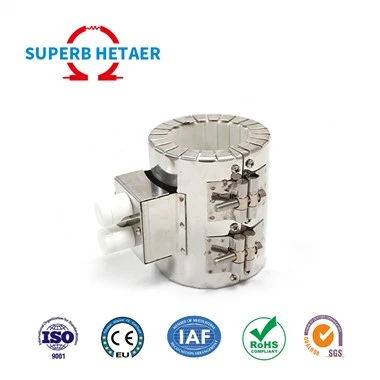
The heating system provides the necessary heat to the barrel and injection nozzle. The barrel of an injection molding machine is typically equipped with coil heaters, which surround the barrel and are monitored in sections by thermocouples. The cooling system reduces the temperature of the barrel, nozzle, and mold to prevent overheating or deformation of the plastic.
6. Lubrication System
The lubrication system is a crucial component of an injection molding machine, providing essential lubrication for moving parts such as the moving platen, mold adjustment mechanism, connecting rod hinge, and shooting platform. This system aims to reduce energy consumption, extend component life, and ensure adequate lubrication of these components through regular or automatic lubrication.
7. Safety Monitoring System
The safety features of an injection molding machine are crucial for ensuring human and machine safety. They include numerous components such as safety doors, safety baffles, hydraulic valves, limit switches, and photoelectric detection elements, which together form an electrical, mechanical, and hydraulic interlock protection system. Furthermore, the monitoring system is an essential component, providing real-time monitoring of the injection molding machine's oil temperature, material temperature, system overload conditions, and potential process and equipment failures. Immediately triggering an indication or alarm mechanism upon detecting any anomalies.