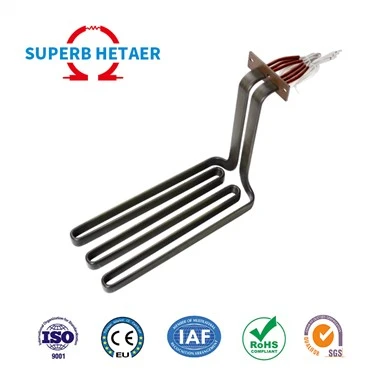
Integrating Hot Runner Heaters into Workflows Smoothly
Leave a message
Many manufacturing teams face the same frustrating scenario: investing in hot runner heaters only to encounter inefficiencies, uneven heating, or unexpected downtime that disrupts production schedules. It's a common challenge in plastic molding and related industries-even with high-quality equipment, poor integration can turn a promising tool into a bottleneck. The key to avoiding these headaches lies not just in choosing the right hot runner heater, but in integrating it seamlessly into existing workflows, a process that requires understanding the product, its applications, and the nuances of day-to-day operations.
First, it's critical to clarify what a hot runner heater is and how it differs from other heating solutions often used in manufacturing. Unlike space heaters or boiler systems that focus on ambient or bulk heating, hot runner heaters are designed for precision-targeting specific areas of the hot runner system to maintain consistent temperatures during plastic molding. According to industry experience, this precision is what sets them apart; while electric heaters might heat a large area, hot runner heaters deliver focused heat directly to the runner and gate, ensuring molten plastic flows smoothly without cooling prematurely or developing defects. Boilers, on the other hand, rely on fluid-based heating, which is less responsive and harder to tailor to the exact temperature needs of a hot runner system-making them impractical for this specific application.
When it comes to integrating hot runner heaters into workflows, there are several practical considerations that often go overlooked. One common pitfall is mismatching the heater type to the application. There are two main types of hot runner heaters: band heaters and coil heaters. Band heaters wrap around the hot runner manifold, providing uniform heat distribution for larger surfaces, while coil heaters are inserted into the nozzle, offering more concentrated heat for smaller, precise areas. Choosing the wrong type-for example, using a band heater for a narrow nozzle-can lead to uneven heating, plastic degradation, and frequent adjustments that slow down production.
Another key point is temperature calibration, which is often underestimated. Hot runner systems require consistent temperatures within a narrow range-even a 5°C deviation can affect the quality of the final product. In practice, many teams set the heater temperature once and forget it, but environmental factors like workshop temperature, humidity, and even the type of plastic being used can impact performance. Regular calibration, at least once a month, ensures the hot runner heater maintains the correct temperature, reducing waste and minimizing downtime. Additionally, proper insulation around the hot runner system helps retain heat, reducing energy consumption and preventing the heater from overworking to compensate for heat loss.
Installation and maintenance also play a vital role in smooth integration. Poorly installed hot runner heaters-such as those with loose connections or improper positioning-can lead to overheating, short circuits, or uneven heat distribution. It's important to follow manufacturer guidelines for installation, ensuring the heater fits snugly against the hot runner component without gaps. Routine maintenance, including cleaning the heater surface to remove plastic residue and checking for wear and tear, extends the heater's lifespan and prevents unexpected failures. According to experience, teams that prioritize regular maintenance see a 30% reduction in downtime related to hot runner heater issues.
The core of smooth integration lies in aligning the hot runner heater with the specific needs of the workflow. This means considering factors like production volume, plastic type, and existing equipment compatibility. For example, high-volume production lines may require more durable heaters with faster heat-up times, while workflows using heat-sensitive plastics need heaters with precise temperature control. Overlooking these details can lead to inefficiencies, wasted materials, and increased operational costs.
In summary, integrating hot runner heaters into workflows smoothly requires understanding the product's purpose, choosing the right type for the application, prioritizing temperature calibration and maintenance, and aligning the heater with the unique needs of the production process. While these steps may require some initial effort, they pay off in reduced downtime, improved product quality, and more efficient operations. For manufacturing teams looking to optimize their hot runner systems, every workflow is unique-different production scales, plastic types, and equipment setups demand tailored solutions. Professional design and consultation can help identify the ideal hot runner heater configuration, ensuring seamless integration that supports long-term productivity and reliability.