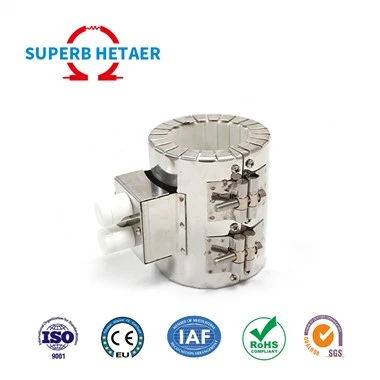
Maintenance Tips for 28mm Large Diameter Cartridge Heater to Extend Its Service Life
Leave a message
Many industrial workshops spend a lot of money on 28mm big diameter cartridge heaters, but since they don't take care of them properly, the heaters often break down too soon. Some burn out in a few months, some don't heat up well, and some even leak electricity. This not only raises the expense of buying things, but it also slows down the usual flow of production. With the right daily care, the service life of a 28mm big diameter cartridge heater can actually be 2 to 3 times longer. Based on experience, most heater failures are due to poor maintenance rather than problems with the product itself. This is why it is so crucial for industrial production to know how to properly maintain heaters.
The heater sheath needs to be cleaned on a regular basis. The 28mm large diameter cartridge heater sheath will unavoidably have dirty, scale, or carbon deposits on its surface while it is being used. This will hinder heat transfer, cause the heater to overheat in certain areas, and speed up the ageing of the sheath and its internal parts. If the sheath is only a little dirty, you can wipe it down with a dry cloth after the heater has cooled. If the sheath has a lot of scale (like when you heat water), you can soak it in a descaling solution (such dilute hydrochloric acid) for 20 to 30 minutes, then rinse it with clean water and let it dry. Cleaning should only be done after the heater has cooled down completely and the power has been turned off. This will keep you from getting shocked or damaging the heater.
Second, the electrical connection part needs to be checked on a regular basis. After a long time of usage, the lead wire and terminal of the 28mm big diameter cartridge heater can become loose or oxidised. This can cause bad contact, heat to build up at the connection, and even electrical leakage. Once a month, you should inspect the connecting portion. Tighten any loose terminals, use sandpaper to clean the oxidised component, and put anti-oxidation lubricant on it to stop it from getting worse. If the lead wire is cracked, old, or otherwise damaged, it should be changed right away to avoid a short circuit. Also, you should use a multimeter to check the cartridge heater's insulation performance on a regular basis. If the insulation resistance is less than 1MΩ, it means that the internal insulation is broken, and you should replace the heater right once to minimise safety risks.
Third, make sure the cartridge heater is in a safe place to work. In humid, corrosive, or dusty places, the 28mm big diameter cartridge heater shouldn't be used for lengthy periods of time unless a particular protective structure is put in place. In humid places, moisture will get into the heater through the sheath's gap, which will short-circuit the internal resistance wire. In corrosive places, the sheath will corrode, which will cause the internal insulation material to leak. In dusty places, dust will build up on the heater's surface, which will make it harder for heat to move through. So, to keep the cartridge heater safe, the work area needs to be clean and dry, and if needed, protective covers or sealed enclosures should be put in place.
Also, not using the heater incorrectly can help it last longer. For example, don't turn on the cartridge heater when it's not in the heated object because the heat can't be released quickly enough, which will cause the heater to overheat and burn out. Also, don't switch the power supply of the heater too often, as this will cause thermal shock to the internal parts and speed up their ageing. Finally, don't use the heater at a voltage or power level higher than what it is rated for, as this will damage the resistance wire and insulation material.
To sum up, taking care of a 28mm large diameter cartridge heater every day is easy but vital. Cleaning, checking, and using the heater correctly on a regular basis can lower its failure rate and make it last longer. distinct industrial settings have distinct needs when it comes to maintaining cartridge heaters. To make sure the heater runs smoothly for a long time and to lower production costs, you need competent maintenance advice to create personalised maintenance plans.