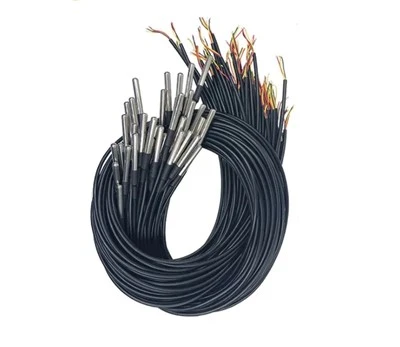
Petrochemical caustic soda pipelines use electric heating cables for insulation and heating
Leave a message
An analysis of the use of electric heating cables for petrochemical caustic soda pipelines. The arrival of winter can cause damage to liquid pipelines. Some petrochemical liquid pipelines can freeze due to the extremely low winter temperatures, disrupting normal operation and liquid transportation within the entire project or enterprise. Therefore, winter antifreeze and insulation measures are necessary. Normally, heating cables can be used to insulate liquid pipelines in winter to melt the liquid within the pipeline, allowing for normal transportation. This is particularly true for caustic soda pipelines within petrochemical plants, where heating cables can easily resolve freezing blockages.
Caustic soda, chemically known as sodium hydroxide, is commonly used in the petrochemical industry to clean highly corrosive substances and as a catalyst. During production, caustic soda is in liquid form and generally needs to be maintained at a temperature between 30 and 38°C to prevent the liquid from sticking. Temperatures below this range can lead to pipeline blockage or failure to deliver liquid from the tank, reducing production efficiency.
Heating cables are installed flat or wrapped around the pipes to conduct heat, providing insulation and anti-freeze protection. They can be wrapped around the surface of caustic soda pipes, adding an outer insulation layer. Using a temperature controller, the heating cable temperature can be precisely controlled to maintain a constant temperature between 40-50°C, making it highly accurate and user-friendly. This temperature maintains the caustic soda in a liquid state during transportation.
For caustic soda pipeline insulation, we recommend using self-regulating heating cables and constant-power heating cables. For applications involving explosive gases or requiring corrosion resistance, we recommend using the self-regulating explosion-proof and anti-corrosion heating cables. These cables feature an explosion-proof layer made of woven metal mesh and an anti-corrosion layer made of extruded fluoroplastic, offering explosion-proof and corrosion-resistant properties.
For caustic soda pipeline insulation and anti-freeze protection, heating cables can easily resolve freezing issues and are reusable without any issues. For complex pipelines, they can be cross-over, overlapped, or cut to size for safe and convenient use.