Rapid Ignition Technology: Quick-Response Heating Rods
Leave a message
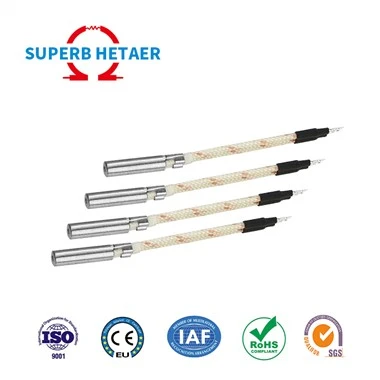
Regarding heating and ignition applications, fast reaction heating rods with rapid ignition technology have become a breakthrough answer. These heating rods are designed to provide quick and effective heat, therefore facilitating fast ignition in many different environments.
Usually made of materials with high electrical resistance and thermal conductivity, quick reaction heating rods Non-magnetic alloy of nickel and chromium, nichrome is one of the most often used materials. These components taken together in nichrome provide the means for a considerable heat generation when an electrical current flows through it. This is so because of its great electrical resistance, which rapidly converts the electrical energy into heat.
These heated rods' design also helps to explain their fast reaction capacity. Usually, they are produced with a neat and simple construction. By lowering the heat-dissipation area, this design lets the produced heat be focused and used more wisely for ignition needs. Furthermore, certain heating rods are made with improved surface - area - to - volume ratios by means of micro-structuring. This design aspect speeds the heating process and increases heat transfer efficiency even further.
Gas-related appliances are one of the main uses for these fast reaction heating rods. For gas stoves, for instance, the necessity of an instantaneous and consistent ignition source is paramount. Sometimes traditional igniting techniques-such as mechanical sparkers or a pilot light-can be sluggish or erratic. One better alternative are quick reaction heating rods. The heating rod is triggered by the electrical current running the cooker on, heating practically instantly. Its quick heat production lets it ignite the gas coming from the hob without delay. These heating rods guarantees that chefs may start cooking right away in a busy kitchen where fast cooking times are required.
Still another major use is in the automobile sector. Particularly in cold-start conditions, internal combustion engines might be difficult to ignite the fuel-air combination because of low temperatures. A reliable and speedy heat source for ignition may be supplied via quick reaction heating rods. They guarantee that, even in cold, the engine starts without any problems. In areas with frigid weather, where everyday mobility depends on dependable vehicle starting, this is especially vital. Furthermore in certain sophisticated engine designs aiming for more efficient combustion, these heating rods may help to achieve a more exact and quick ignition of the fuel, hence improving engine performance and lowering emissions.
Quick reaction heating rods are also very essential in the realm of industrial manufacture. Certain manufacturing techniques, including glass-making or metalworking, need for a fast and strong heat source for certain activities like welding or melting. These rods' fast heating capacity lets one effectively and precisely regulate the heating process. In metal welding, for instance, the rapid reaction heating rod may provide the required heat to melt the metal at the junction rapidly, therefore guaranteeing a strong and permanent weld. This guarantees not just time but also enhances the quality of the final output.
Another crucial consideration is the energy-efficiency element of fast-response heating rods. These rods are meant to be energy-efficient even if they may produce heat fast. Their small size and effective heat-transfer systems guarantee that the electrical energy is transformed into usable heat with least of waste. This is not the case for certain more ancient or less advanced heating techniques that could need too much energy for ignition. Quick-response heating rods' energy-efficiency may result in major cost savings over time in large-scale industrial applications where energy consumption is a major expense.
Still, rapid reaction heating rods provide some difficulties. Their durability is among the major problems. Thermal stress may be produced by the quick heating and cooling cycles these rods experience. With time, this may cause material damage including warping or cracking. To improve the lifetime of these rods, manufacturers are always investigating and creating novel materials and production processes. Requirements for the power source provide even another difficulty. Usually requiring a quite high - power electrical source, these rods help to accomplish quick heating. This may be a challenge with certain battery-powered devices or in places with inadequate electrical infrastructure as it may rapidly deplete the battery or call for major power supply system changes.
Notwithstanding these difficulties, the advantages of fast reaction heating rods with rapid ignition technology far exceed the disadvantages. Their indispensible nature for many contemporary uses stems from their fast and effective igniting capacity. The design and performance of these rods should become better as long as technology keeps developing.
In the sphere of fast ignition technology, quick-response heating rods show a great breakthrough. its value is shown by its uses in industrial manufacture, vehicle engines, and gas appliances. Although durability and power supply present difficulties, continuous research and development initiatives are anticipated to solve these problems, therefore allowing fast - reaction heating rods to flourish and continue to provide effective and rapid - ignition capabilities in many different sectors.