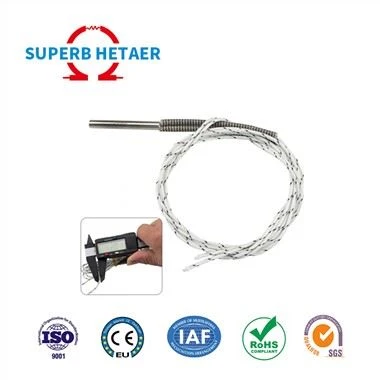
The purpose of chemical treatment on the surface of electric heating tubes
Leave a message
The purpose of chemical treatment on the surface of electric heating tubes
The surface of the electric heating tube needs to undergo chemical treatment to prevent rust, which is the surface treatment of the electric heating tube. But not all heating tubes require the same surface treatment. This depends on the environment and how it is used, and the material of the electric heating tube produced in different working environments is also different. But the function of the electric heating tube is the same. The basic function of an electric heating tube is to heat externally.
The most commonly used and commonly used electric heating tube is probably used to heat water.
Electric heating tubes for water can also be divided into large electric heating tubes for boiler applications and small electric heating tubes made by individuals according to their application areas. Nowadays, in order to prevent rust, many electric heating tubes are subjected to a lot of chemical treatment. The most common method we use is to treat the surface of the electric heating tube with copper plating. Of course, there are also aluminum. The cast aluminum heater is mainly divided into: cast aluminum heating ring with wind groove, air-cooled cast aluminum heating ring, cast aluminum heating ring for medical equipment, circular cake type cast aluminum heating plate, plug type cast aluminum heating plate, right angle cast aluminum heating plate, extrusion machine cast aluminum heater, water-cooled cast aluminum heater, cast aluminum heating ring with wind groove, injection molding machine cast aluminum heating ring, supply foam machine cast aluminum heating ring, etc. Copper casting heaters are mainly divided into: copper casting heating plate, granulator copper casting electric heating plate, drum type copper casting heater, C-type copper casting heater, right angle granulator copper casting heating plate, etc.
1. Unable to heat (the internal heating wire of the electric heater is burnt out or the wire at the junction box is broken)
2. Electric heating tube rupture or rupture (electric heating tube cracks, electric heating tube corrosion and rupture, etc.)
3. Leakage (mainly due to automatic circuit breaker or leakage protection switch tripping, electric heating tube unable to heat), usually accounting for more than 90% of electric heater failures in this situation
Handling methods for electric heater faults:
If the heater cannot heat and the internal wire of the electric heating tube is broken and cannot be repaired, it can only be replaced; If the circuit or connector is open or loose, it can be reconnected.
If the electric heating tube is broken or broken, then only replace the electric heating tube.
If it is a leakage, the leakage point should be confirmed and considered according to the situation. If it is the electric heating tube itself, it can be baked in an oven; If the insulation resistance cannot be improved, the electric heating tube may need to be replaced; If the junction box is flooded with water, dry it with a hot air gun; If the wire is damaged, it can be wrapped with adhesive tape or replaced with a new one.
Www.superbheater.com