What are the challenges facing temperature monitoring in underground mining operations?
Leave a message
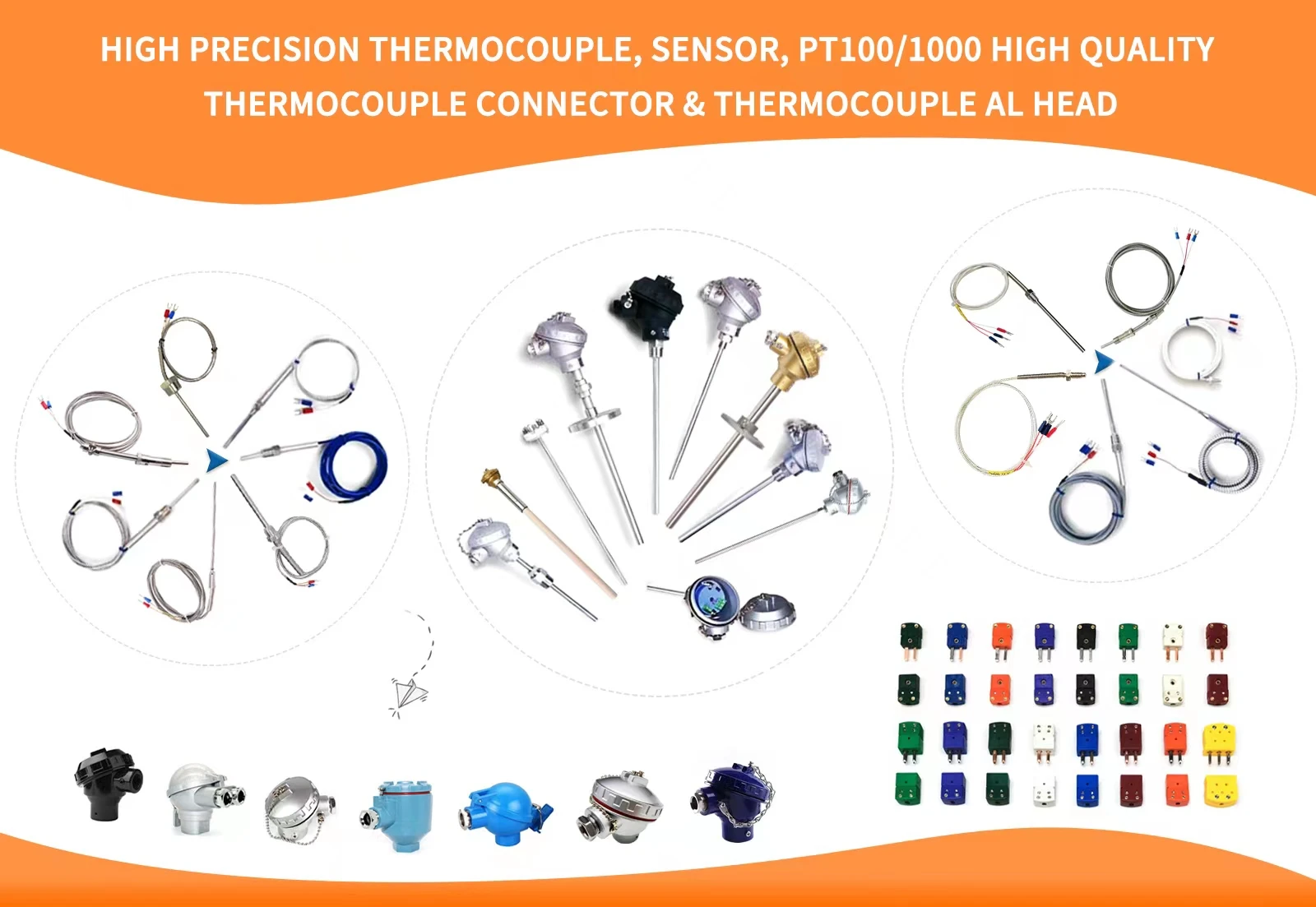
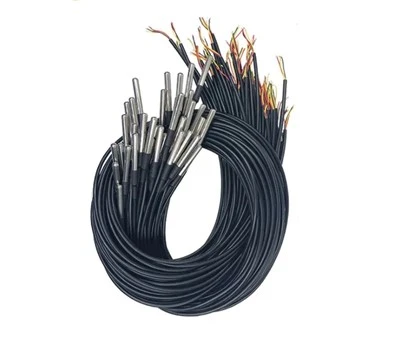
Temperature monitoring in underground mining operations is of paramount importance for ensuring the safety and efficiency of the mining process. Nevertheless, several challenges must be addressed. As for thermocouples, although they can be a useful tool for temperature measurement, they also encounter their own set of difficulties. Harsh environment: Underground mines are typically characterized by high humidity, dust, and the presence of corrosive substances. This unforgiving environment can damage temperature sensors, including thermocouples. Thus, the sensors need to be robust and resistant to these conditions to provide accurate readings over time. Special coatings or enclosures may be required to safeguard thermocouples from the harsh underground environment. Accessibility: Underground mines can be difficult to access, especially in remote areas or at deep levels. Installing and maintaining temperature monitoring equipment can pose a challenge. Thermocouples may need to be installed in hard-to-reach locations, and maintenance may require specialized equipment and trained personnel. Wireless temperature monitoring systems can offer certain advantages in terms of accessibility, but they also need to be reliable and capable of operating in the underground environment. Temperature variations: Underground mines can experience substantial temperature variations due to factors such as depth, ventilation, and mining activities. These variations can make it challenging to obtain accurate temperature readings. Thermocouples need to be properly calibrated and placed in strategic locations to capture the relevant temperature changes. Compensation techniques may be needed to account for the effects of temperature gradients and other factors. Power supply: Underground mines often have limited power sources, and providing power to temperature monitoring equipment can be a challenge. Thermocouples may require a power supply for signal amplification or transmission. Battery-powered or energy-harvesting solutions may be necessary to ensure continuous temperature monitoring without relying on a fixed power grid. Data transmission and analysis: Transferring temperature data from underground sensors to a central location for analysis can be difficult. Underground mines may have limited communication infrastructure, and transmitting data over long distances and through harsh environments can be a challenge. Wireless transmission technologies can be employed, but they need to be reliable and secure. Additionally, analyzing temperature data and using it to make informed decisions about mining operations requires specialized software and expertise.