What is the working process of a plastic injection molding machine? What are the key steps?
Leave a message
1. Feeding of plastic pellets:
The first step in the workflow is to load plastic pellets or granular raw materials into the hopper of the injection molding machine. These raw materials can be different types of plastic resins, such as polypropylene, polyethylene, polystyrene, etc., and the specific choice depends on the requirements of the final product.
2. Heating and melting:
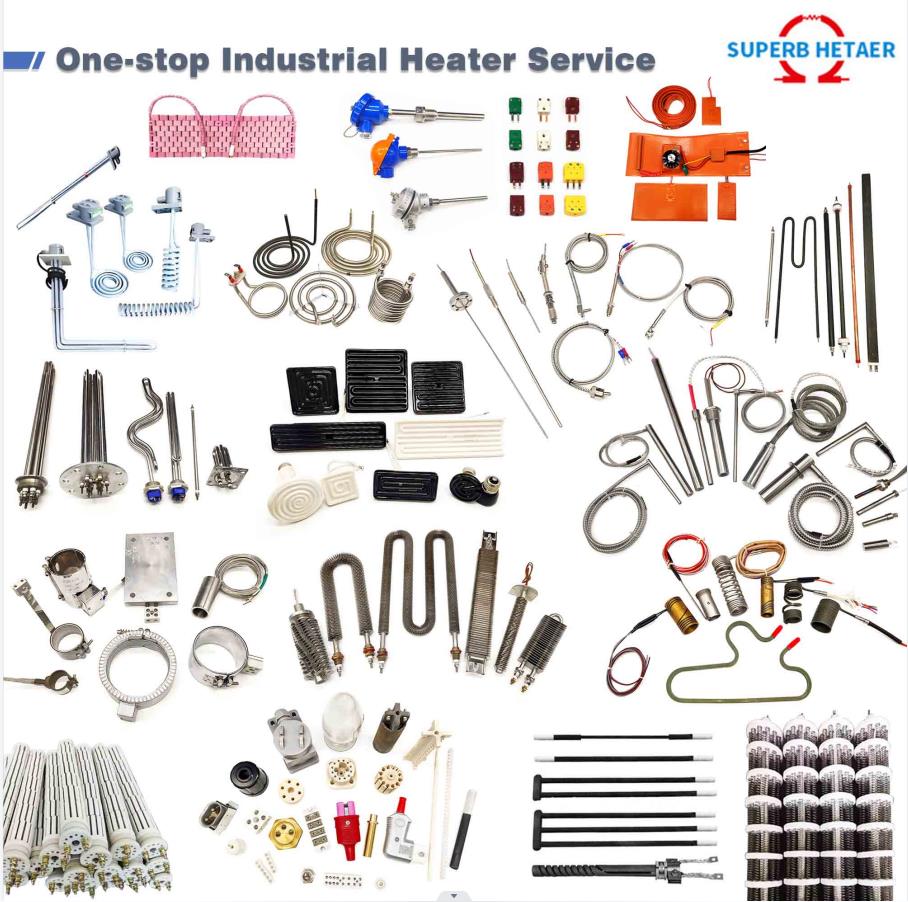
Once the raw materials enter the machine, they are heated by a heating system, usually using electric heating elements or electromagnetic heating systems. When the raw materials are heated to a high enough temperature, they melt into a liquid state.
3. Injection:
The molten plastic is pushed into the barrel of the injection cylinder through an injection cylinder. There is a screw inside the injection cylinder, which feeds the molten plastic into the mold cavity. This process is called injection, and by controlling the movement of the screw, the exact injection amount for each product can be controlled.
4. Pressure and cooling:
Once the molten plastic enters the mold, they are subjected to high pressure, which makes it fill the mold cavity and form the desired shape. At the same time, the cooling system in the mold will start to work to quickly cool and solidify the plastic.
5. Mold opening:
Once the injection molding is completed, the mold separates to release the molded part. This step usually takes a certain amount of time to ensure that the finished product can be smoothly demolded from the mold with sufficient strength.
6. Part ejection:
After demolding, the molded part is ejected through an ejection system and moved to the next workstation or conveyor. The ejection system usually consists of a cylinder or a robotic arm.
7. Post-processing:
In some cases, the molded parts may require post-processing such as trimming, grinding, assembly or painting. These tasks are usually completed at the workstation after the injection molding machine.
8. Quality inspection:
After production is completed, the finished product will be sent to the quality inspection department to ensure that it meets the specifications and quality standards. This includes inspections of dimensions, appearance, strength and other aspects.
9. Packaging and shipment:
After passing quality inspection, the parts will be packaged and prepared for shipment. The packaging is usually customized according to the nature and purpose of the product to ensure safety and protection.