1600 degree ceramic fiber adopts integrated design box furnace
Leave a message
The groundbreaking design of the 1600°C ceramic fiber integrated chamber furnace is ushering high-temperature heat treatment technology into a new era. Its core advantage lies in the perfect integration of the exceptional performance of ceramic fiber materials with an intelligent control system, providing unprecedented solutions for both scientific research and industrial applications.
In terms of thermal performance, this chamber furnace achieves uniform temperature distribution within the furnace chamber through optimized fiber density and gradient insulation design. At 1600°C, the temperature control accuracy reaches ±1°C, completely resolving the industry pain point of heat loss at the edge of traditional muffle furnaces. Even more impressive, its unique "cold wall technology" keeps the furnace shell temperature consistently below 60°C, significantly reducing the risk of thermal contamination in the workshop environment.
Another major technical highlight is its intelligent upgrade. The built-in AI temperature algorithm autonomously learns the sintering curves of different materials. Users simply input target parameters, and the system automatically generates an optimized heating program. Through the IoT module, engineers can also remotely monitor 18 real-time data points within the furnace, including air pressure and oxygen content, and receive alerts for abnormal conditions. Test data from an aerospace materials laboratory shows that this equipment increased the sintering yield of high-temperature alloys by 37% and reduced energy consumption by 29%.
The 1600°C ceramic fiber integrated design box furnace is a high-temperature device commonly used in material heat treatment processes in scientific research and industrial production. The following is a detailed introduction:
Temperature Control:
High Temperature Control Accuracy: Utilizing intelligent PID high-precision control technology, the system achieves temperature control accuracy of ±1°C and temperature uniformity of approximately ±5°C, meeting the requirements of experiments and processes with extremely stringent temperature control requirements.
Excellent Temperature Control Stability: A variety of temperature controllers are available, along with an automatic adjustment function. If the temperature deviates due to external factors, the system can quickly and automatically adjust to restore the set temperature.
Multi-Step Temperature Control: Utilizing a P-type multi-step temperature controller, the temperature ramp rate for each step can be pre-set, meeting the specific temperature requirements of different stages in complex experiments.
Heating Performance:
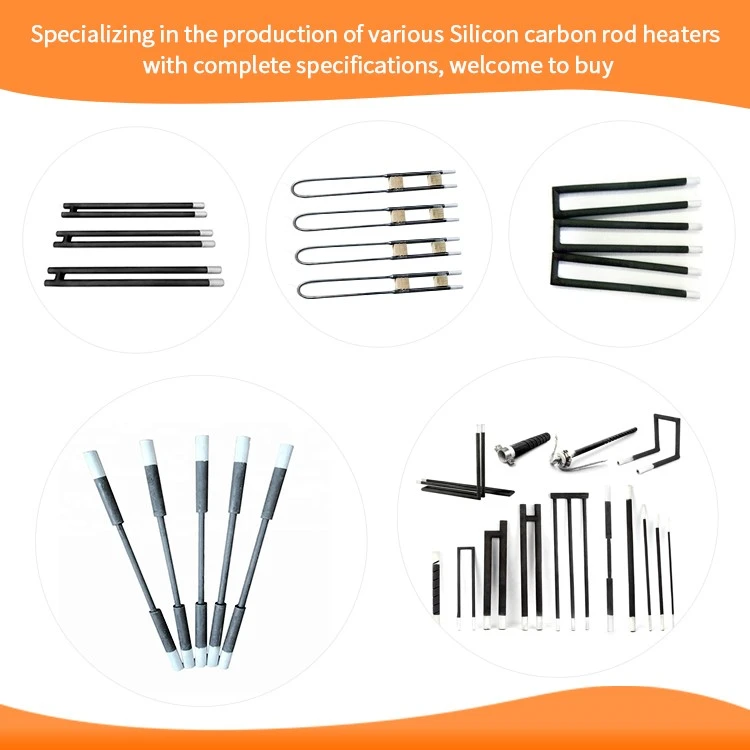
Fast Heating Speed: Utilizing high-quality heating elements, such as imported HRE ultra-high-temperature alloy heating elements or silicon-molybdenum rods, the unit achieves rapid heating from room temperature to 1200°C in a short time, significantly improving work efficiency.
Strong High-Temperature Adaptability: With a maximum temperature of 1600°C, it can meet the needs of a wide range of high-temperature experiments and material processing, and can be used for a variety of high-temperature processes, including high-temperature sintering, material synthesis, and heat treatment.
Energy Utilization:
Efficient Energy Saving: Ceramic fiber materials offer excellent thermal insulation properties, and the air-insulated structure between the furnace body and outer shell effectively reduces heat loss, resulting in lower energy consumption compared to traditional refractory furnaces.
High Thermal Efficiency: Excellent thermal insulation not only saves energy but also fully utilizes the heat within the furnace, improving thermal efficiency and ensuring uniform temperature distribution within the furnace, facilitating smooth experiments and processes.
Equipment Structure and Safety:
Rational Structural Design: The integrated design offers an attractive appearance and simple operation. The furnace body is sturdy, and the chamber is constructed of special ceramic fiber and composite fiber materials, ensuring long-term operation without collapse and withstanding the stress and deformation of high-temperature environments.
Comprehensive Safety Measures: Multiple safety measures, including overcurrent, overvoltage, overheating, leakage, and short circuit, ensure safe operation. Some units also feature automatic heating cutoff upon door opening to further safeguard operators.
Ease of Use:
Simple Operation: A large LCD display is typically used, displaying multiple data sets on one screen, allowing operators to observe and monitor temperature and other parameters in real time. The user-friendly interface allows for simple setup and operation, reducing operational complexity.
Easy Maintenance: Ceramic fiber materials are dust- and slag-resistant, preventing pollution to the furnace environment. They also reduce wear and corrosion, making maintenance easier and more convenient.
Applications: Suitable for experimental research, production, and material analysis in a variety of fields, including ceramics, metallurgy, electronics, glass, chemicals, machinery, and refractories, including sintering, melting, analysis, and heat treatment.