Electric heating cable technology helps prevent freezing in winter, energy saving and environmental protection become new trends
Leave a message
With the arrival of winter, low temperatures pose severe challenges to the normal operation of industrial production, building facilities, and pipeline systems. In recent years, electric heating tape technology, as an efficient and energy-saving antifreeze and insulation solution, has gradually become the preferred choice for various industries to address low-temperature issues.
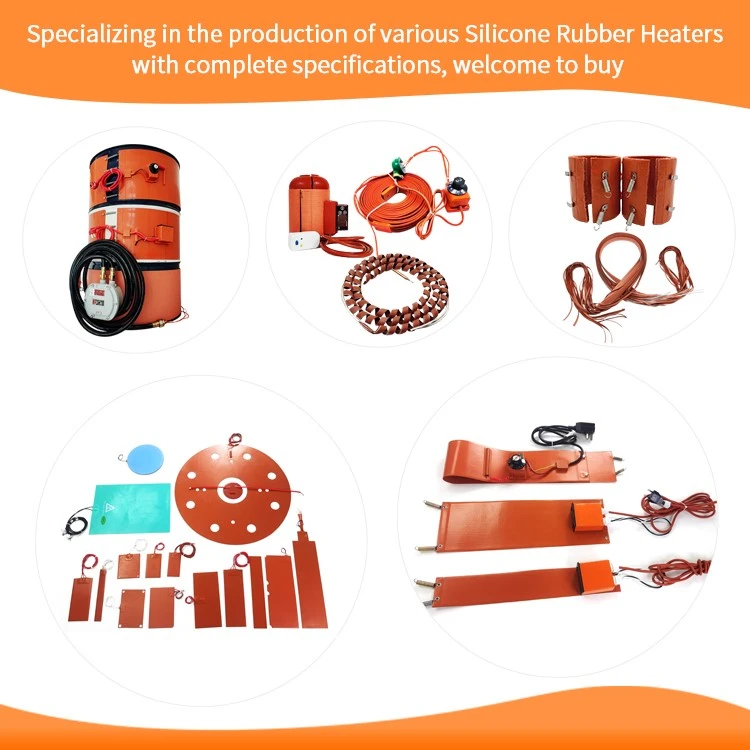
Electric heating tape, also known as electric heating tape or electric heating tape, is a device that generates heat using electricity and is primarily used for insulating and antifreeze pipes, storage tanks, equipment, and other facilities. It operates by converting electrical energy into thermal energy, which is then uniformly heated by the heating tape to maintain the normal operating temperature of the pipe or equipment in low-temperature environments, preventing freezing, ice formation, or solidification of the medium.
Electric heating tape is mainly divided into two types: self-limiting heating tape and constant-power heating tape. Self-limiting heating tape automatically adjusts heating power according to ambient temperature, offering advantages such as energy saving, safety, and easy installation. Constant-power heating tape is suitable for applications requiring constant heating, offering stable heating power and is suitable for long-distance pipeline insulation.
Electric heating tape technology has been widely used in various fields, including petrochemicals, building heating, fire protection pipelines, water supply and drainage systems, and food processing. In the petrochemical industry, electric heating cables are used to prevent freezing of media in pipelines due to low temperatures, ensuring the continuity of production processes. In the construction sector, electric heating cables are used for rooftop snow melting, ground frost protection, and pipe insulation, improving building safety and comfort. In fire protection systems, electric heating cables prevent freezing of fire pipes, ensuring the reliability of emergency response systems.
Compared to traditional steam or hot water heating, electric heating cables offer significant energy-saving advantages. They directly utilize electrical energy for heating, resulting in high thermal efficiency and low energy loss. They also eliminate the need for additional boilers or steam equipment, reducing energy waste and environmental pollution. Furthermore, electric heating cables can flexibly adjust heating power according to actual needs, further reducing energy consumption and aligning with the trend toward green environmental protection.
Due to its high efficiency, energy-saving, and environmentally friendly features, electric heating cables are becoming a mainstream choice for winter frost protection and insulation. With continuous technological advancements and expanding applications, electric heating cables will provide more reliable low-temperature solutions for various industries, helping to achieve sustainable development goals.