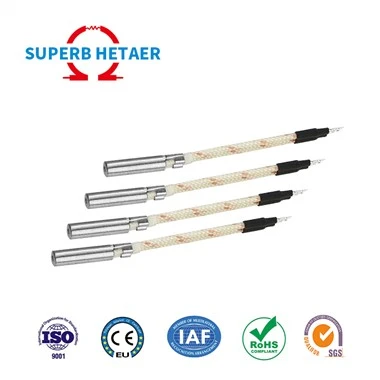
Electric heating thermal oil furnace is widely used in industrial production
Leave a message
Thermal oil heaters typically use mineral heat transfer oil. Their operating temperature should not exceed 300°C. If the temperature is too high, the heat transfer oil in the system can easily coke, affecting the stability of the entire system and the service life of the heat transfer oil. Electric thermal oil heaters use electricity as the heat source and thermal oil as the heat carrier. They use a circulating oil pump to circulate the liquid phase. After transferring heat energy to the heating equipment, it returns to the DC dedicated industrial furnace for reheating. Heat transfer oil can be divided into two types: mineral heat transfer oil and synthetic heat transfer oil. The maximum temperature of synthetic heat transfer oil should not exceed 350°C and requires importing higher temperatures.
What temperature can electric thermal oil heaters reach?
Electric thermal oil heaters are widely used in industrial production and are an excellent alternative to small and medium-sized steam boilers. Steam heating is carried out under a certain pressure, and the water temperature becomes saturated steam. All the heat absorbed is used to vaporize the water. Temperature control for steam heating can only be achieved by controlling the steam flow rate. Electric thermal oil heaters are characterized by high temperature and low pressure. Thermal oil has a high specific heat capacity and a large heat capacity, allowing it to reach a high boiling point at low pressure. The oil is heated in a closed loop within the system, ensuring uniform heat transfer. Using PID self-tuning intelligent temperature control technology, accurate temperature control can be achieved within ±1°C.
During the operation of a thermal oil electric heater, a leak can cause significant damage to the entire system. Leaking oil can produce smoke when it overheats locally, which can cause fires when exposed to open flames. When oil with mist particles comes into contact with oxygen, it can immediately ignite. If the oil leaks into the insulation layer, it oxidizes upon contact with air, releasing heat that is difficult to dissipate within the insulation layer. This heat, when exceeding the auto-ignition point, can also cause fires. Therefore, when designing an electric oil heater, the high-temperature resistance of key components such as valves, flanges, piping, and circulation pumps must be fully considered to ensure safe operation of the entire system.
During daily equipment operation, it is necessary to frequently inspect components prone to leakage. If insulation measures are not taken, leakage prevention measures should be taken in time; after the insulation material leaks, the leakage of the existing insulation measures should be eliminated immediately; when the leakage is serious, the system needs to be stopped and repaired or replaced.