General Troubleshooting Guide for Water Purifier
Leave a message
1、 What should I do if the water purifier fails to discharge water (water making)?
1. Check the pure water machine pipeline and straighten out the pure water machine pipeline;
2. Check the power supply of the water purifier and connect it to 220V AC power. If the input power supply of the water purifier is normal, check the output voltage of the transformer;
3. Check whether the high-voltage switch or float switch fails and cannot jump back;
4. Check whether the water inlet solenoid valve is normal. Unscrew the water outlet of the solenoid valve, connect the power supply, and check whether there is water supply. If there is no water supply, proceed to the next detection step;
5. Open the raw water ball valve and check whether the front filter element of the reverse osmosis membrane is blocked. If it is blocked, replace it. If water is supplied, the electromagnetic valve is damaged;
6. Check whether the rear pressure of the booster pump meets the requirements. If it is lower than 0.3 MPa, it needs to be replaced;
7. Open the pure water inlet of the reverse osmosis membrane. If there is no water, the reverse osmosis membrane will be damaged;
8. Check whether the amount of wastewater discharged is too large, resulting in an imbalance in the proportion of pure and wastewater;
9. Check whether the rear activated carbon filter element is blocked
2、 What to do if the water purifier leaks
1. If there is water leakage at the common joint, it is sufficient to rewind the raw material tape or replace the joint and nut;
2. If the quick connector leaks, cut a section of water pipe and insert it again. If it still cannot be solved, replace the corresponding connector;
3. If the membrane housing or filter bottle leaks from the position of the fastening filter bottle, replace the "O" ring if the fastening does not work after a long installation time;
4. If the pump head leaks, tighten the pump head screws. If it cannot be solved, replace the pump gasket or directly replace the pump.
3、 How to Deal with Turbidity in Water Purifier Effluent
1. It is necessary to consider whether the pressure at the water inlet is too high or fluctuates too much, causing the ultrafiltration membrane to rupture. If it does break, it is necessary to replace a new ultrafiltration membrane filter core;
2. Check whether the O-ring above the filter element is worn and causing water leakage. If the O-ring is worn, we need to replace it with a new one;
3. The water purifier has been used for a long time or has not been cleaned for a long time, resulting in internal pollution of the water purifier and secondary pollution of the water quality.
4、 Water yield of water purifier decreases
1. If the water inlet pressure is too low, add a booster pump;
2. If the inlet water temperature is too low and the temperature decreases, the water yield also decreases, which is a normal phenomenon;
3. If the inlet flow is too small, increase the inlet flow or add a booster pump;
4. If the inlet water is too dirty, it can increase the frequency of pre-treatment or flushing;
5. When water is supplied after water is shut down or the maintenance pipeline is shut down, it is necessary to flush and remove residual sediment, rust, etc. from the water pipe before making water.
5、 High noise during operation
1. Check whether the raw water pipeline is cut off, causing the booster pump to idle, causing high noise in the pure water machine
2. Check whether the raw water is normal, and if there is no tower water supply, whether there is gas in the water
3. Check whether the booster pump has faults, excessive vibration, friction noise, etc
4. Check whether the water purifier is firmly placed
5. Check whether the water pipe is too long, and the vibration of the pump causes the water pipe to strike the casing
6. Check whether the boiling of hot water causes excessive noise
7. Check whether the compressor is normal
6、 Why does the daily water yield of the water purifier fail to meet the requirements
1. Check whether the calculation is incorrect
2. Check whether the water pump pressure is in place
3. Check whether the waste water valve or waste water proportioner is excessively conductive
4. Check whether the water temperature is too low
Nowadays, many enterprises have installed water purifiers, mainly because water purifiers are more convenient than bottled water, and they can save costs for enterprises. However, during the use of water purifiers, some problems may occur, and sometimes we don't know what to do. The engineers of Yiyun Water Purification have compiled some problems and solutions for water purifiers, as follows:
1、 What should I do if the water purifier fails to discharge water (water making)?
1. Check the pure water machine pipeline and straighten out the pure water machine pipeline;
2. Check the power supply of the water purifier and connect it to 220V AC power. If the input power supply of the water purifier is normal, check the output voltage of the transformer;
3. Check whether the high-voltage switch or float switch fails and cannot jump back;
4. Check whether the water inlet solenoid valve is normal. Unscrew the water outlet of the solenoid valve, connect the power supply, and check whether there is water supply. If there is no water supply, proceed to the next detection step;
5. Open the raw water ball valve and check whether the front filter element of the reverse osmosis membrane is blocked. If it is blocked, replace it. If water is supplied, the electromagnetic valve is damaged;
6. Check whether the rear pressure of the booster pump meets the requirements. If it is lower than 0.3 MPa, it needs to be replaced;
7. Open the pure water inlet of the reverse osmosis membrane. If there is no water, the reverse osmosis membrane will be damaged;
8. Check whether the amount of wastewater discharged is too large, resulting in an imbalance in the proportion of pure and wastewater;
9. Check whether the rear activated carbon filter element is blocked
2、 What to do if the water purifier leaks
1. If there is water leakage at the common joint, it is sufficient to rewind the raw material tape or replace the joint and nut;
2. If the quick connector leaks, cut a section of water pipe and insert it again. If it still cannot be solved, replace the corresponding connector;
3. If the membrane housing or filter bottle leaks from the position of the fastening filter bottle, replace the "O" ring if the fastening does not work after a long installation time;
4. If the pump head leaks, tighten the pump head screws. If it cannot be solved, replace the pump gasket or directly replace the pump.
3、 How to Deal with Turbidity in Water Purifier Effluent
1. It is necessary to consider whether the pressure at the water inlet is too high or fluctuates too much, causing the ultrafiltration membrane to rupture. If it does break, it is necessary to replace a new ultrafiltration membrane filter core;
2. Check whether the O-ring above the filter element is worn and causing water leakage. If the O-ring is worn, we need to replace it with a new one;
3. The water purifier has been used for a long time or has not been cleaned for a long time, resulting in internal pollution of the water purifier and secondary pollution of the water quality.
4、 Water yield of water purifier decreases
1. If the water inlet pressure is too low, add a booster pump;
2. If the inlet water temperature is too low and the temperature decreases, the water yield also decreases, which is a normal phenomenon;
3. If the inlet flow is too small, increase the inlet flow or add a booster pump;
4. If the inlet water is too dirty, it can increase the frequency of pre-treatment or flushing;
5. When water is supplied after water is shut down or the maintenance pipeline is shut down, it is necessary to flush and remove residual sediment, rust, etc. from the water pipe before making water.
5、 High noise during operation
1. Check whether the raw water pipeline is cut off, causing the booster pump to idle, causing high noise in the pure water machine
2. Check whether the raw water is normal, and if there is no tower water supply, whether there is gas in the water
3. Check whether the booster pump has faults, excessive vibration, friction noise, etc
4. Check whether the water purifier is firmly placed
5. Check whether the water pipe is too long, and the vibration of the pump causes the water pipe to strike the casing
6. Check whether the boiling of hot water causes excessive noise
7. Check whether the compressor is normal
6、 Why does the daily water yield of the water purifier fail to meet the requirements
1. Check whether the calculation is incorrect
2. Check whether the water pump pressure is in place
3. Check whether the waste water valve or waste water proportioner is excessively conductive
4. Check whether the water temperature is too low
Nowadays, many enterprises have installed water purifiers, mainly because water purifiers are more convenient than bottled water, and they can save costs for enterprises. However, during the use of water purifiers, some problems may occur, and sometimes we don't know what to do. The engineers of Yiyun Water Purification have compiled some problems and solutions for water purifiers, as follows:
1、 What should I do if the water purifier fails to discharge water (water making)?
1. Check the pure water machine pipeline and straighten out the pure water machine pipeline;
2. Check the power supply of the water purifier and connect it to 220V AC power. If the input power supply of the water purifier is normal, check the output voltage of the transformer;
3. Check whether the high-voltage switch or float switch fails and cannot jump back;
4. Check whether the water inlet solenoid valve is normal. Unscrew the water outlet of the solenoid valve, connect the power supply, and check whether there is water supply. If there is no water supply, proceed to the next detection step;
5. Open the raw water ball valve and check whether the front filter element of the reverse osmosis membrane is blocked. If it is blocked, replace it. If water is supplied, the electromagnetic valve is damaged;
6. Check whether the rear pressure of the booster pump meets the requirements. If it is lower than 0.3 MPa, it needs to be replaced;
7. Open the pure water inlet of the reverse osmosis membrane. If there is no water, the reverse osmosis membrane will be damaged;
8. Check whether the amount of wastewater discharged is too large, resulting in an imbalance in the proportion of pure and wastewater;
9. Check whether the rear activated carbon filter element is blocked
2、 What to do if the water purifier leaks
1. If there is water leakage at the common joint, it is sufficient to rewind the raw material tape or replace the joint and nut;
2. If the quick connector leaks, cut a section of water pipe and insert it again. If it still cannot be solved, replace the corresponding connector;
3. If the membrane housing or filter bottle leaks from the position of the fastening filter bottle, replace the "O" ring if the fastening does not work after a long installation time;
4. If the pump head leaks, tighten the pump head screws. If it cannot be solved, replace the pump gasket or directly replace the pump.
3、 How to Deal with Turbidity in Water Purifier Effluent
1. It is necessary to consider whether the pressure at the water inlet is too high or fluctuates too much, causing the ultrafiltration membrane to rupture. If it does break, it is necessary to replace a new ultrafiltration membrane filter core;
2. Check whether the O-ring above the filter element is worn and causing water leakage. If the O-ring is worn, we need to replace it with a new one;
3. The water purifier has been used for a long time or has not been cleaned for a long time, resulting in internal pollution of the water purifier and secondary pollution of the water quality.
4、 Water yield of water purifier decreases
1. If the water inlet pressure is too low, add a booster pump;
2. If the inlet water temperature is too low and the temperature decreases, the water yield also decreases, which is a normal phenomenon;
3. If the inlet flow is too small, increase the inlet flow or add a booster pump;
4. If the inlet water is too dirty, it can increase the frequency of pre-treatment or flushing;
5. When water is supplied after water is shut down or the maintenance pipeline is shut down, it is necessary to flush and remove residual sediment, rust, etc. from the water pipe before making water.
5、 High noise during operation
1. Check whether the raw water pipeline is cut off, causing the booster pump to idle, causing high noise in the pure water machine
2. Check whether the raw water is normal, and if there is no tower water supply, whether there is gas in the water
3. Check whether the booster pump has faults, excessive vibration, friction noise, etc
4. Check whether the water purifier is firmly placed
5. Check whether the water pipe is too long, and the vibration of the pump causes the water pipe to strike the casing
6. Check whether the boiling of hot water causes excessive noise
7. Check whether the compressor is normal
6、 Why does the daily water yield of the water purifier fail to meet the requirements
1. Check whether the calculation is incorrect
2. Check whether the water pump pressure is in place
3. Check whether the waste water valve or waste water proportioner is excessively conductive
4. Check whether the water temperature is too low
Nowadays, many enterprises have installed water purifiers, mainly because water purifiers are more convenient than bottled water, and they can save costs for enterprises. However, during the use of water purifiers, some problems may occur, and sometimes we don't know what to do. The engineers of Yiyun Water Purification have compiled some problems and solutions for water purifiers, as follows:
1、 What should I do if the water purifier fails to discharge water (water making)?
1. Check the pure water machine pipeline and straighten out the pure water machine pipeline;
2. Check the power supply of the water purifier and connect it to 220V AC power. If the input power supply of the water purifier is normal, check the output voltage of the transformer;
3. Check whether the high-voltage switch or float switch fails and cannot jump back;
4. Check whether the water inlet solenoid valve is normal. Unscrew the water outlet of the solenoid valve, connect the power supply, and check whether there is water supply. If there is no water supply, proceed to the next detection step;
5. Open the raw water ball valve and check whether the front filter element of the reverse osmosis membrane is blocked. If it is blocked, replace it. If water is supplied, the electromagnetic valve is damaged;
6. Check whether the rear pressure of the booster pump meets the requirements. If it is lower than 0.3 MPa, it needs to be replaced;
7. Open the pure water inlet of the reverse osmosis membrane. If there is no water, the reverse osmosis membrane will be damaged;
8. Check whether the amount of wastewater discharged is too large, resulting in an imbalance in the proportion of pure and wastewater;
9. Check whether the rear activated carbon filter element is blocked
2、 What to do if the water purifier leaks
1. If there is water leakage at the common joint, it is sufficient to rewind the raw material tape or replace the joint and nut;
2. If the quick connector leaks, cut a section of water pipe and insert it again. If it still cannot be solved, replace the corresponding connector;
3. If the membrane housing or filter bottle leaks from the position of the fastening filter bottle, replace the "O" ring if the fastening does not work after a long installation time;
4. If the pump head leaks, tighten the pump head screws. If it cannot be solved, replace the pump gasket or directly replace the pump.
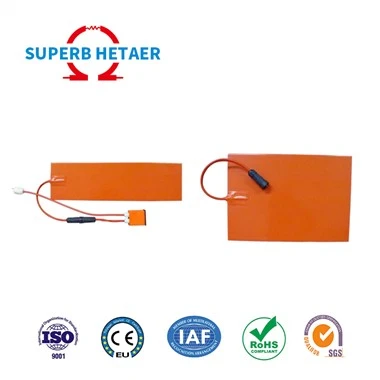
The above content is organized by Superb heater Company, super heater. Mainly professional production: industrial heating elements, temperature measuring elements, production equipment, accessories, and raw materials such as tubular heaters, tubular heaters, belt heaters, ceramic heaters, silicone rubber heaters, thermocouples, etc.
Welcome global industry partners to discuss cooperation!