Introduction to surface load of electric heating elements in electric heat sinks
Leave a message
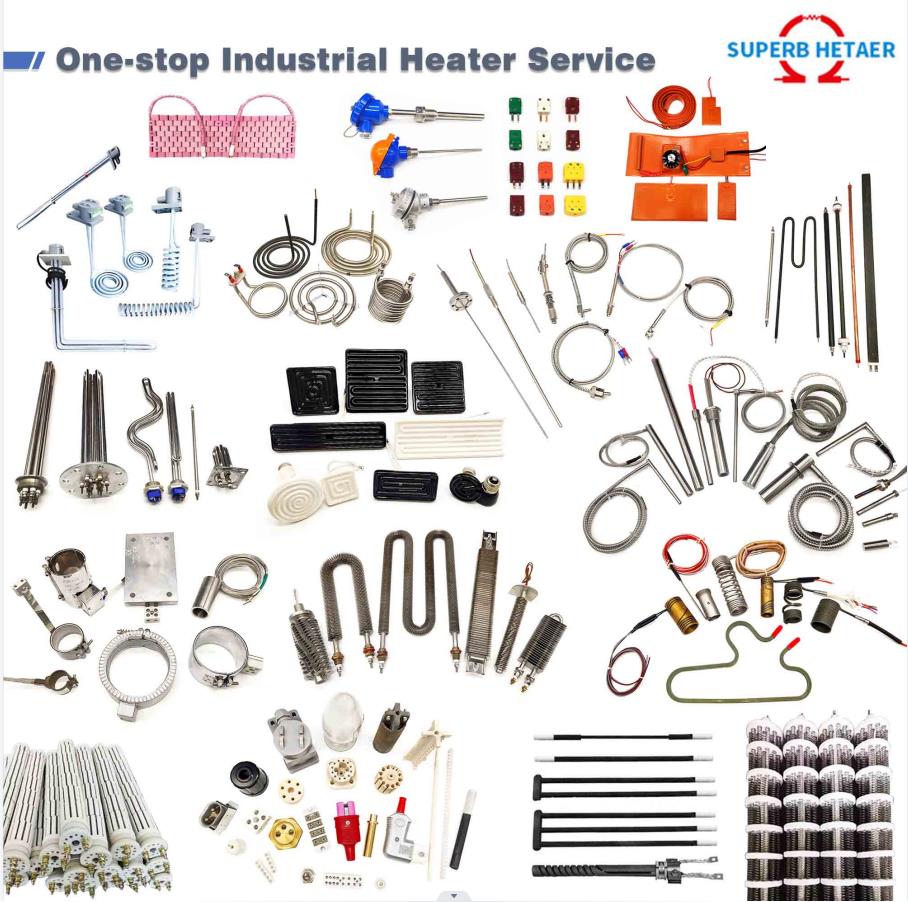
There are various types of electric heating elements, including conventional varieties, electric heating alloys, electric heating materials, microwave heating devices, stainless steel electric heating plates, electromagnetic induction heating devices, electric heating tubes, electric heating wires, electric heating plates, electric heating belts, electric heating cables, electric heating coils, electric heating rods, electric heat tracing belts, electric heating cores, mica heating plates, ceramic heating plates, tungsten molybdenum products, silicon carbon rods, molybdenum powder, tungsten bars, electric heating wires, mesh belts, and many other types of electric heating elements. Electric heating castings are another classification of electric heating components, such as cast aluminum, cast copper, and cast iron heaters, PTC heating element, steam heat dissipation pipe. The resistance band far-infrared radiation heater is used for heating equipment in drying channels, drying rooms, and ovens, as well as related industries such as cable trays, electric heaters, electric boilers, electric heating tubes for boilers, electric heating tubes for ovens, finned electric heating tubes, explosion-proof electric heaters, storage tank electric heaters, high-temperature ceramic electric heaters, molecular sieve electric heaters, circulating electric heaters, tracked electric heaters, hot water and electricity heaters, and fluid circulating electric heaters.
Surface load refers to the load power per unit surface area of electric heating elements, which is a key indicator affecting the lifespan of electric heating elements. The surface load of electric heating elements needs to be strictly controlled, neither too large nor too small is suitable.
If the surface load is too large, it will increase the temperature difference between the electric heating element and the workpiece, and the electric heating element often stays close to or even exceeds its designed maximum working temperature for a short period of time. For large high-temperature resistance furnaces, it is recommended to use waveform resistance wires with the smallest shielding effect and install them in a vertical hanging structure.
If the surface load is too small, it will consume more materials and be difficult to arrange. Moreover, in some compact arrangements, the electric heating element, especially the spiral resistance wire, is difficult to dissipate heat due to its close proximity, which can easily cause the temperature of adjacent resistance wires to significantly exceed their design maximum temperature; In addition, it is easy to deform at high temperatures, and in severe cases, it can cause adjacent resistance wires to be very close to each other locally. Impurities such as carbon black in the furnace gas may adhere to each other during long-term operation, causing local short circuits between the resistance wire coils. The resistance wire will melt here and force the furnace to be shut down for maintenance. This is a common situation in the industry and an important reason for the short normal service life of high-temperature resistance furnaces.