Introduction to types of electric furnaces
Leave a message
Electric furnace
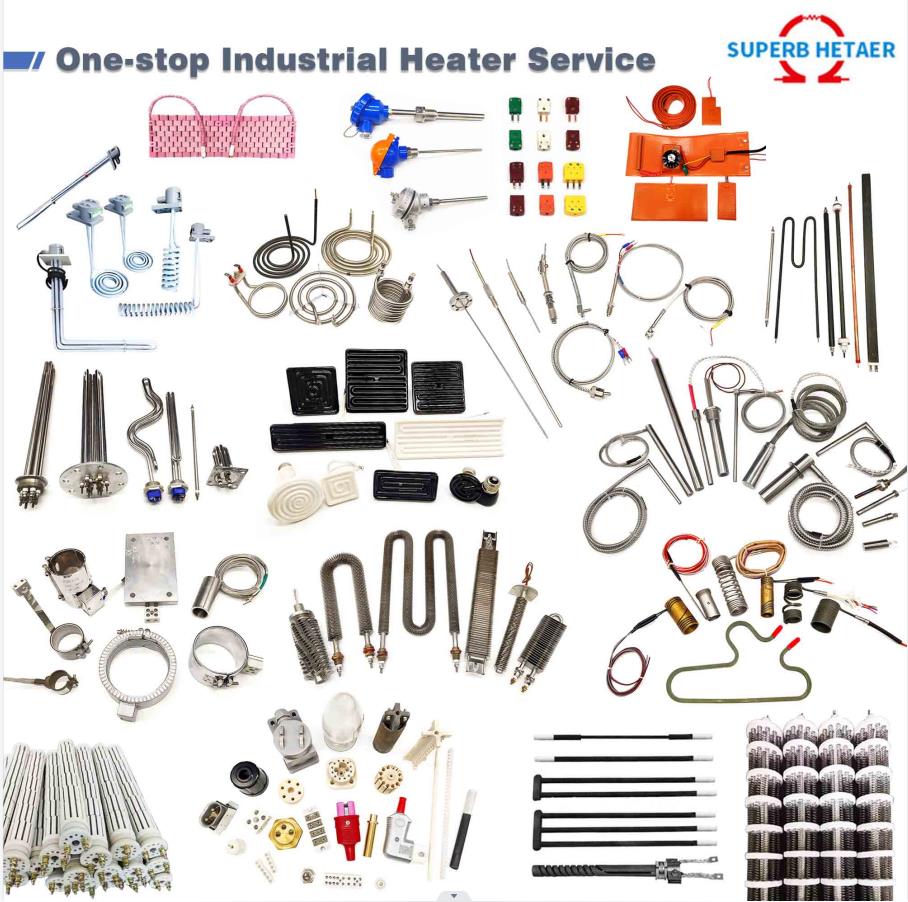
Electric furnaces can use metal or non-metallic heating elements to generate heat sources. Its simple structure and wide range of uses are its main features. They can be widely used in annealing, normalization, quenching, tempering, carburizing, and carburizing and nitriding. The main metal heat generators include Ni-Cr electric hot wires (the most common, up to 1200 ℃), Mo-Si alloys, and pure metals such as W and Mo; Non metallic heat generators include SiC (the most common, which can be heated up to 1600 ℃), LaCrO3, and graphite rods (which can be heated up to 2000 ℃ under vacuum or protective atmosphere).
advantage:
1) It is easier to obtain high temperatures compared to fuel furnaces.
2) The material can be heated from within.
3) Easy to use in controllable atmosphere furnaces and vacuum furnaces.
4) The electric furnace has no exhaust heat loss from the fuel furnace, so it has high thermal efficiency.
5) Easy to control temperature, convenient for remote control and fine adjustment.
6) Capable of rapid heating.
7) Good operational performance, no environmental pollution.
Disadvantages:
1) The cost of power distribution equipment needs to be increased.
2) High power costs.
3) When the resistance heating temperature exceeds 1000 ℃, refractory materials may conduct electricity, and attention should be paid to insulation issues.