Personal Protective Equipment for Hot Runner Heater Work
Leave a message
It's common to see operators rushing to handle unexpected overheating issues with hot runner heaters, or struggling to choose the right gear to stay safe while working-many end up with minor burns or equipment damage just because they didn't use the proper personal protective equipment (PPE). Working with hot runner heaters involves high temperatures, electrical risks, and potential mechanical hazards, so having the right PPE isn't just a suggestion-it's a necessity to avoid accidents and ensure smooth operations.
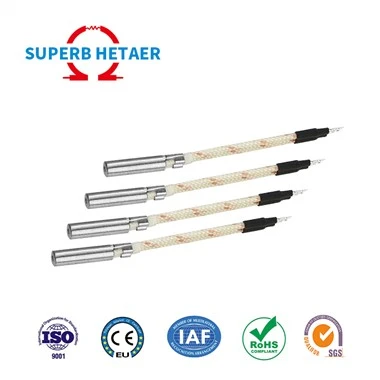
First, let's clarify what a hot runner heater is, especially since it's often confused with other heating equipment used in industrial settings. Unlike space heaters or electric floor heating systems that focus on warming large areas, a hot runner heater is a specialized component designed for injection molding machines. It maintains consistent high temperatures (usually between 150°C and 400°C) to keep molten plastic flowing smoothly through the hot runner system, ensuring high-quality moldings. Unlike壁挂炉 systems that use gas combustion, hot runner heaters rely on electrical resistance to generate heat, which means they carry both thermal and electrical risks that require specific PPE to mitigate.
According to experience, most accidents related to hot runner heater work stem from improper PPE use-either using gear that's not heat-resistant enough or skipping essential protective items entirely. Let's break down the key PPE items needed, along with practical tips to avoid common pitfalls. For starters, hand protection is non-negotiable. Regular work gloves won't cut it; heat-resistant gloves with a minimum temperature rating of 500°C are required, preferably made of aramid or carbon fiber materials. These gloves not only protect against burns but also provide a good grip to handle hot components without slipping-many operators make the mistake of using thick leather gloves, which retain heat and can actually cause burns if worn for extended periods.
Facial and eye protection is another critical area. When working with hot runner heaters, there's a risk of molten plastic splatters, steam, or even small debris flying off during maintenance. Safety goggles with anti-fog and heat-resistant lenses are a must, and in situations where splatters are more likely (such as during heater replacement), a full face shield should be worn over the goggles. It's easy to overlook this step, but a single splatter can cause serious eye or facial injuries that could be avoided with the right gear.
Body protection is often underestimated, too. Loose clothing or synthetic fabrics can easily catch fire or melt when exposed to high temperatures, so operators should wear flame-resistant (FR) coveralls or jackets made of materials like Nomex. Long sleeves and pants are a must-rolling up sleeves or wearing shorts is a major risk, even for quick maintenance tasks. Additionally, closed-toe, heat-resistant boots with steel toes are essential to protect feet from falling hot components or accidental spills of molten materials.
Electrical safety PPE shouldn't be forgotten, either. Hot runner heaters are powered by electricity, so there's a risk of electric shock if the equipment is not properly grounded or if insulation is damaged. Insulated gloves rated for electrical work (in addition to heat-resistant gloves) should be used when handling electrical connections, and non-conductive footwear can further reduce the risk of shock. It's also important to ensure that all PPE is in good condition-frayed gloves, cracked goggles, or damaged FR clothing should be replaced immediately, as they won't provide adequate protection.
Another common pitfall is assuming that one type of PPE fits all hot runner heater tasks. For example, maintenance work that involves disassembling the heater requires more comprehensive protection than routine inspection. During disassembly, there's a higher risk of contact with hot surfaces and electrical components, so adding a heat-resistant apron or sleeve protectors can provide extra coverage. In contrast, routine inspections may only require gloves and goggles, but it's always better to err on the side of caution.
To sum up, the key to safe hot runner heater work lies in choosing the right PPE for the task, ensuring it's in good condition, and using it consistently. Heat-resistant gloves, safety goggles, FR clothing, and electrical insulation gear are non-negotiable, and skipping any of these can lead to avoidable accidents. When it comes to hot runner heater operations, there's no such thing as being too safe-every piece of PPE plays a vital role in protecting operators and maintaining efficient, accident-free workflows.
Different hot runner heater setups and industrial environments may require tailored PPE recommendations, and professional guidance can help identify the exact gear needed for specific tasks. For businesses using hot runner heaters, partnering with experts who understand both the equipment and safety requirements ensures that operators have the right protection, and that the hot runner system operates at its best. Whether it's selecting the correct PPE or optimizing the hot runner heater setup, professional support can make all the difference in safety and performance.