Reliable Healthcare Heating: Trustworthy Tubes for Medical Applications
Leave a message
In the medical profession, where dependability and accuracy rule supreme, the value of heating tubes cannot be underlined. These specialised tubes guarantee patient safety and the efficacy of medical operations by meeting the particular and important criteria of different medical uses.
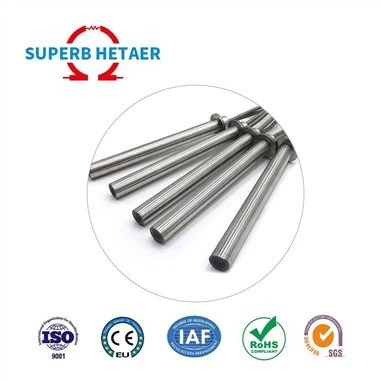
Usually, medical heating tubes are built from materials with special mix of qualities. Since these tubes might come into direct or indirect touch with the human body, biocompatibility is very necessary. Common option is stainless steel because of its well-known biocompatibility and corrosion resistance. Another highly prized substance for its great biocompatibility, low weight, and great strength is titanium. The construction of the tube is based on these materials, which guarantee that they neither aggravate patients' condition nor set off negative immunological reactions.
Maintaining the temperature of infusates is one of medical heating tubes key uses. Patients may have intravenous (IV) fluids, blood transfusions, or another medicinal infusion in hospitals. Maintaining the right temperature for these infuses is really vital. In patients, cold infusions might cause hypothermia, which would cause a variety of physiological issues including vasoconstriction, lower cardiac output, and changed medication metabolism. Integrated into the infusion lines, medical heating tubes softly and accurately heat the infusates to a desired temperature. Especially important in neonatal intensive care units (NICUs) is Premature newborns have a very poor tolerance for temperature changes; so, proper heating of infusates helps to guarantee their stability and well-being.
Furthermore depending on these reliable heating tubes are surgical operations. Carbon dioxide gas is insufflated into the abdominal cavity in laparoscopic operations to provide a working area. Using these tubes to heat the insufflated gas is crucial in order to avoid patient hypothermia. During surgery, hypothermia may aggravate coagulation problems, poor wound healing, and other postoperative issues including wound infections. The whole surgical result may be better if the patient's body temperature is maintained by appropriate heating of the insufflated gas.
Within the field of medical diagnostics, heating tubes are quite important. Accurate findings in imaging modalities like computed tomography (CT) scans and magnetic resonance imaging (MRI) depend on keeping the temperature of important components constant. Coil, detector, and other component temperature is controlled via heating tubes. Any temperature change might cause artefacts in the pictures, therefore influencing diagnosis. For an MRI scanner, for instance, the superconducting magnets depend on a steady temperature surroundings. By ensuring that the liquid helium used for cooling the magnets stays at the suitable temperature, heating tubes serve to guarantee the scanner's correct operation and the quality of the generated pictures.
These heating tubes help also the developing discipline of regenerative medicine. Particular temperatures must be maintained in tissue-engineering and cell-culturing techniques to encourage cell development and tissue generation. Within bioreactors or growth chambers, the temperature environment may be generated and regulated using heating tubes. Development of innovative therapies like engineered skin grafts, cartilage replacements, and organoids depends on this. The exact temperature control these tubes provide helps to guarantee the success of several innovative medical technology.
Medical heating tubes provide several difficulties, nevertheless. Ensuring appropriate calibration and maintenance is one of the primary difficulties. Regularly checking and calibrating the heating tubes helps to provide correct temperature management in a hospital environment with several medical equipment running. Any errors resulting from inadequate maintenance can compromise patients. The price is even another problem. Strict production requirements and high-quality materials help to explain the somewhat expensive cost of these tubes. For hospitals, particularly those with tighter finances, this expense may be a hardship.
Notwithstanding these difficulties, the advantages of employing dependable heating tubes in medical uses often exceed the disadvantages. Modern healthcare cannot function without their protection of patient comfort, enhancement of surgical success, increase of diagnostic accuracy, and support of regenerative medicine. Constant research and development as medical technology develops will probably result in further improvements in the design and performance of medical device heating tubes, therefore guaranteeing even more dependability and safety in important medical uses.
All things considered, many crucial medical operations and tests depend on medical heating tubes. Patient centred treatment depends on their high quality construction, exact temperature control, and biocompatibility. Although maintenance and expense present difficulties, ongoing field innovation will help to solve these problems thereby enabling these tubes to keep supplying vital heating capabilities for medical equipment.