Technical requirements for the production of silicone rubber heaters
Leave a message
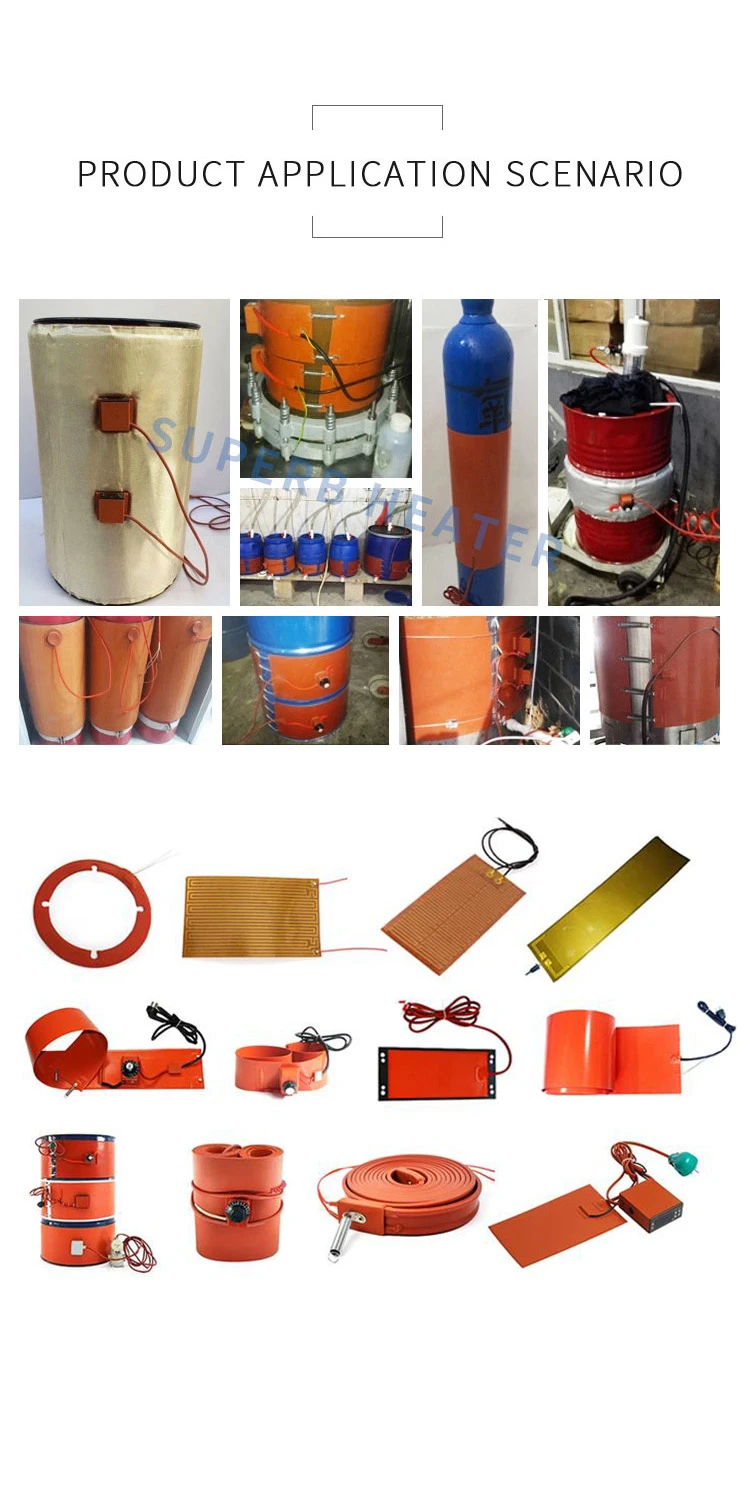
Silicone rubber heaters are different from their electrical components and require high heat resistance. New energy vehicle battery heater solves the heating system solution for low-temperature environment charging of power batteries: The silicone heating system is a thin and pure resistive heating element, which is very soft and has a thickness of 1.5mm. In recent years, due to the greenhouse effect, the temperature of the cabinet dehumidifier heater has been increasing year by year, and the atmospheric environmental factors have gradually deteriorated, such as high temperature, high humidity and other variable climates, making the threat to indoor power distribution facilities increasingly apparent. Lithium battery heaters have basic functions, such as heating, constant temperature, and temperature control. Each silicone rubber heater can withstand 1000 heat resistant cycles under specified test conditions without voltage damage. So a good silicone rubber heater manufacturer must have a strong technical team for scientific research. Silicone rubber heaters produced by reputable manufacturers not only have a long service life, but also have relatively high safety.
The more common silicone rubber heaters are single U-shaped silicone rubber heaters, double U-shaped silicone rubber heaters, and multi U-shaped heating tubes. The U-shaped silicone rubber heater is equipped with a metal tube (stainless steel tube, copper tube, titanium tube, carbon steel tube) as the outer shell, and the spiral silicone rubber heating belt is uniformly distributed along the axial direction of the tube center. Magnesium oxide with good insulation performance and high thermal conductivity is filled and compacted in the surrounding gaps, and both ends of the pipe mouth are sealed with glue. Under sufficient heating, the deviation of the rated power of the silicone rubber heater shall not exceed the following specified range; 10% for components with a rated power of less than or equal to 100 watts. For components with a rated power greater than 100 watts, it is+5% to -10% or 10 watts, whichever is greater. For some alloy silicone rubber heaters, they can be divided into two categories based on the chemical element content and microstructure: the one is the iron chromium aluminum alloy series, and the other is the nickel chromium alloy series. As electric heating materials, each has its own advantages and is widely used.
There are many studies on the application of silicone rubber heaters in mechanical equipment components, and their shapes are also different. For different applications of enterprises, there are also different technological development requirements. Therefore, when purchasing silicone rubber heaters, we should not only consider whether they can be used, but more importantly, whether they can use network performance and whether they are qualified and safe. According to the relevant laws and regulations of Chinese society regarding silicone rubber heaters, the heating time of the silicone rubber heater should not exceed 15 minutes as the temperature of the components rises from the environment under the test voltage. So, the qualification of the silicone rubber heater does not directly affect the performance of the working system of the silicone rubber heater.