Tips to Reduce Downtime in Hot Runner Heater Systems
Leave a message
can be a costly headache-delaying production schedules, wasting raw materials, and eating into profit margins. It's a common scenario: a production line grinding to a halt because a hot runner heater fails to reach the required temperature, overheats, or stops working entirely. According to industry data, unplanned downtime related to hot runner systems accounts for 15-20% of total production delays in plastic manufacturing, making it a critical area for optimization.
Before diving into solutions, it's important to clarify what a hot runner heater is and how it differs from other heating systems often used in industrial settings. Unlike space heaters or boiler systems that focus on ambient or water-based heating, hot runner heaters are specialized components designed specifically for injection molding. They are installed in the hot runner manifold and nozzles, maintaining precise, consistent temperatures to keep molten plastic flowing smoothly through the mold. This precision is what sets them apart-while other industrial heaters prioritize general heating, hot runner heaters require tight temperature control (often within ±1°C) to ensure product quality, which also makes them more susceptible to downtime if not properly maintained.
In practice, most downtime in hot runner heater systems stems from preventable issues, not sudden mechanical failure. Based on experience, the biggest culprits are poor maintenance habits, incorrect installation, and using low-quality replacement parts. Let's break down the most effective tips to keep these systems running reliably, without the frustration of unplanned stops.
First, regular cleaning is non-negotiable. Molten plastic can seep into small gaps around the heater elements, hardening over time and creating insulation that traps heat. This not only forces the heater to work harder (increasing energy consumption) but also leads to uneven heating and eventual failure. A weekly wipe-down of the heater surfaces with a non-abrasive cleaner-avoiding harsh chemicals that can damage the heater's coating-goes a long way. For more thorough cleaning, schedule a monthly inspection where the heater is gently removed (once cooled) to clear any built-up plastic residue from the manifold and nozzle areas.
Temperature calibration is another often-overlooked step. Over time, hot runner heaters can drift from their set temperature, even if the control panel shows the correct reading. This drift doesn't just affect product quality; it puts extra strain on the heater, increasing the risk of burnout. Investing in a portable temperature sensor to cross-check the heater's actual temperature against the control panel's display every 3-6 months ensures accuracy. If discrepancies are found, recalibrate the control system immediately-this simple step can reduce downtime related to overheating or underheating by up to 40%.
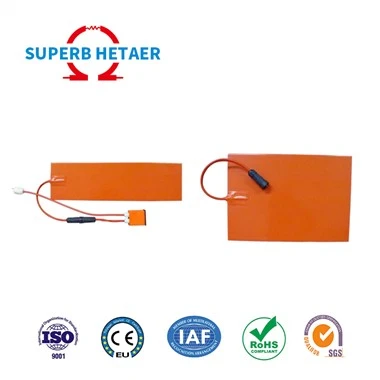
Choosing the right hot runner heater for the application is also key to minimizing downtime. Not all heaters are created equal: band heaters are ideal for manifold heating, while cartridge heaters work best for nozzles, and flexible heaters are suited for complex mold designs. Using the wrong type of heater-for example, a band heater on a small nozzle-can lead to uneven heating and premature failure. Additionally, opting for high-quality heaters with durable materials (such as Incoloy heating elements) may cost more upfront but reduces the frequency of replacements and repairs, cutting downtime in the long run.
Another critical tip is to monitor for signs of wear early. Common red flags include inconsistent heating, unusual noises (such as clicking or buzzing), or visible damage to the heater's outer casing. Ignoring these signs often leads to complete heater failure, which can take hours to fix-whereas addressing them promptly (such as replacing a frayed wire or a worn heating element) can be done in minutes. Many modern hot runner systems include built-in monitoring tools, but even without them, a quick visual inspection before each production run can catch issues before they escalate.
Finally, proper storage and handling of replacement heaters matters. Storing heaters in a dry, clean environment-away from moisture and dust-prevents corrosion and damage to the heating elements. When replacing a heater, ensure the manifold and nozzle are completely cool to avoid thermal shock, which can crack the new heater or the mold itself. Rushing the replacement process is a common mistake that leads to additional downtime, so taking the time to follow proper installation procedures is well worth it.
In summary, reducing downtime in hot runner heater systems boils down to proactive maintenance, accurate calibration, choosing the right equipment, and addressing wear early. These steps not only minimize unplanned stops but also extend the lifespan of the heaters, improve product quality, and lower long-term operational costs. For manufacturers with complex injection molding setups or unique production requirements, custom hot runner heater solutions-tailored to specific mold designs, material types, and temperature needs-can further optimize reliability. Professional design and consultation ensure that the hot runner heater system is perfectly matched to the application, eliminating the guesswork and reducing the risk of downtime even in the most demanding production environments.