How can the surface power of silicone rubber heaters be calculated for different heaters?
Leave a message
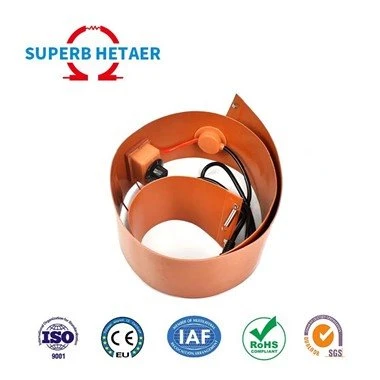
When consumers purchase silicone rubber heaters, it is important to associate the surface power of the silicone rubber heater and choose the correct surface power of the silicone rubber heater. The silicone rubber heating element is a soft electric heating film element composed of high-temperature resistant, high thermal conductivity, excellent insulation performance, and good strength silicone rubber, high-temperature resistant fiber reinforced materials, and metal heating film circuits. Composed of two pieces of fiberglass cloth and double laminated silicone fiberglass cloth. Silicone rubber heating belt is a particularly soft heating belt composed of nickel chromium alloy wire and insulation material. Its design has high power density, fast heating, high thermal efficiency, and long service life. In addition to being used for heat tracing and insulation in general constant power bands, it can also be used in places that require heating in some cases. The process control during the use of the insulation cover and its impact on the precision rolling process were analyzed. By statistically analyzing, categorizing, and organizing the on-site measured data of the hot rolling production line, the main reasons for the temperature drop of the strip on the intermediate roller conveyor were analyzed. If the surface power cannot meet the required lifespan or thermal load of the heater, this choice is uneconomical.
The power factor on the surface of silicone rubber heaters is mainly determined by the temperature of the resistance wire used by enterprises under different conditions, and the ambient temperature for use is determined by the wire diameter of the resistance wire. The temperature of the resistance wire and the surface working temperature data of the silicone rubber heater are both influenced by the thermal conductivity of the insulation material. If the thermal conductivity of the insulation material is low, there is a problem with the surface power of the resistance wire. If we use magnesium oxide with good thermal conductivity, silicone rubber heaters will be more straightforward to use without any problems.
The surface power of silicone rubber heaters in different types of heaters is as follows
The surface power of silicone rubber heaters for water heaters and hot water boilers. The larger surface power of the natural convection silicone rubber heater is 10w/cm2, and the larger surface power of the forced circulation silicone rubber heater is 11x13w/square centimeter.
(2) The larger allowable surface power of silicone rubber heaters for warm water heaters is 5-6W/cm2. When equipped with overheat protection devices and anti air combustion devices, slightly higher surface power can be used.
(3) The surface power of the silicone rubber heater used in the oil heating controller is mainly determined by the viscosity of the oil. When dissolving solid oil materials, the higher allowable surface working power is 5W per square centimeter. The high allowable power of the heating silicone rubber heater device in the industrial design of non mandatory management cycle fuel oil cannot exceed 2-3W per square centimeter on the surface
(4) The surface power of the silicone rubber heater in the air heater: There are air conditioning heaters, heating plates, ovens, etc. inside the air heater, and the larger allowable surface power is determined by the shell temperature.
The above is a summary based on years of production experience. It is necessary to understand the surface power when using silicone rubber heaters in several heaters.