What are the fins in a heat exchanger?
Leave a message
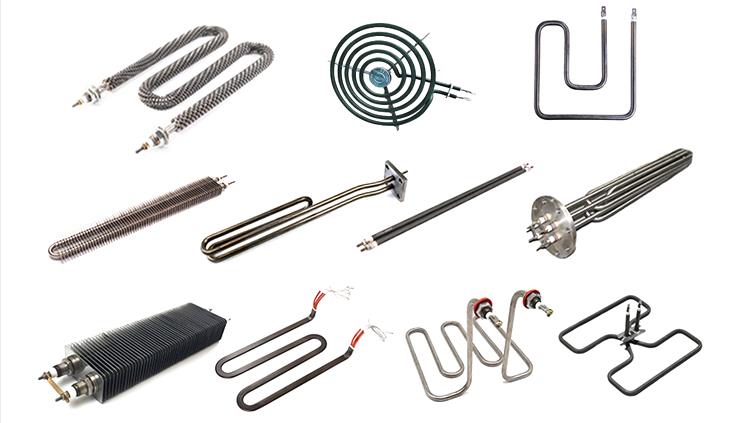
Fins in a warmness exchanger are thin, thermally conductive projections or attachments brought to the number one warmness switch surfaces, generally to the out of doors of tubes or plates, to growth the powerful floor vicinity to be had for warmth switch. Their cause is to beautify the price of warmth alternate among fluids or among a fluid and the encircling air through exploiting the precept of conduction, convection, and radiation.
Here's why fins are crucial in warmness exchangers:
Increased Surface Area: Fins dramatically growth the floor vicinity in touch with the fluid or the air, which in flip will increase the price of warmth switch. This is specifically beneficial in programs wherein the number one floor vicinity is restrained because of area or layout constraints.
Improved Heat Transfer Efficiency: With a bigger floor vicinity, fins permit for greater green warmness dissipation or absorption, permitting a warmness exchanger to perform greater successfully or with a smaller length for a given warmness switch price.
Reduced Temperature Gradient: By spreading the warmth out over a bigger vicinity, fins assist to reduce temperature gradients throughout the warmth switch floor, selling a greater uniform temperature profile and enhancing typical warmness alternate efficiency.
Air Cooling Applications: In air-cooled warmness exchangers, fins are critical for boosting convective warmness switch among the air and the warmth switch medium. As air flows beyond the fins, it absorbs warmness greater successfully because of the multiplied floor contact.
Economic Considerations: While including fins will increase cloth costs, it could lessen the general device value through taking into consideration a smaller warmness exchanger, much less coolant, or lower-powered enthusiasts or pumps, relying at the application.
There are special varieties of fins utilized in warmness exchangers, inclusive of:
Louvered Fins: Characterized through a sequence of angled slits that sell turbulence withinside the air flow, enhancing warmness switch.
Plain Fins: Simple, flat extensions with none unique features, supplying a stability among value and efficiency.
Offset or Wavy Fins: Designed with a wavy form to growth turbulence and floor vicinity further, improving warmness switch.
Pin Fins: Standalone pins connected to a floor, normally utilized in compact or excessive-overall performance warmness exchangers.
Material choice for fins is likewise critical, with not unusualplace substances inclusive of aluminum (because of its excessive thermal conductivity and coffee weight), copper, and numerous steels, relying at the application's necessities for thermal overall performance, corrosion resistance, and value.