What is the difference between PTC heating and heat pump heating for air conditioners in new energy electric vehicles?
Leave a message
The heat source for the heating and air conditioning of traditional fuel fueled vehicles comes from the heat emitted by the engine. However, new energy electric vehicles do not have engines that can emit a large amount of heat, so they can only seek foreign assistance. And this foreign aid is PTC and heat pump. The difference between PTC heating and heat pump heating for air conditioners of new energy vehicles is that PTC heating=manufacturing heat, and heat pump heating=transportation heat.
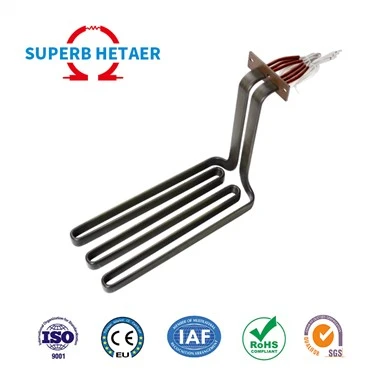
PTC is an abbreviation for Positive Temperature Coefficient, which generally refers to semiconductor materials or components with a high positive temperature coefficient. The temperature is raised by energizing the thermistor to heat it. In extreme cases, PTC can only achieve 100% energy conversion. It consumes 1 joule of energy and can only provide 1 joule of heat at most. The electric irons and curling irons we use in our daily lives are all based on this principle. However, the main problem with PTC heating is power consumption, which in turn affects the range of electric vehicles. Taking a 2KW PTC as an example, working at full power for one hour consumes 2kWh of electricity. If a vehicle consumes 15 kWh of electricity per 100 kilometers, 2 kWh will lose 13 kilometers of range. Many northern car owners complain that the range of electric vehicles has shrunk too much, partly due to the power consumption of PTC heating. In addition, in cold winter weather, the material activity in the power battery decreases, the discharge efficiency is not high, and the range will also be reduced.
Heat pump technology transfers heat from one place to another. For example, in new energy vehicles, heat pump heating involves moving heat from relatively low temperatures (outside the vehicle) to relatively high temperatures (inside the vehicle).
1: Condenser (heat release), 2: Throttle valve (pressure reduction), 3: Low temperature (heat absorption), 4: Compressor (pressurization)
The working principle of a heat pump is as follows: In the process shown above, a low boiling point liquid (such as Freon in an air conditioner) evaporates after being depressurized by a throttle valve, absorbs heat from a relatively low temperature (such as outside the vehicle), and then compresses the steam through a compressor to raise the temperature. After passing through the condenser, the absorbed heat is released and liquefied, and then returns to the throttle valve. This cycle of work can continuously transfer heat from places with lower temperatures to places with higher temperatures (requiring heat). Heat pump technology can use 1 joule of energy to move more than 1 joule (or even 2 joules) of energy from cooler locations, resulting in significant savings in power consumption.