What Is the Optimal Thermal Profiling Strategy for Multi-Zone Hot Runners?
Leave a message
Special issues in thermal management of multi-zone hot runners need thorough thermal profiling techniques. The different temperature levels between the zones produce flow imbalances, dimensional problems and quality flaws. The temperature profiles of all zones have to be optimised to provide constant production.
Thermal Profiling: What Is It?
Thermal profiling is the systematic measurement and optimisation of the temperature distribution in all zones of a hot runner system. This requires mapping temperatures at numerous places - nozzle tips, manifold branches, gate areas - and changing the zone setpoints to obtain consistent melt temperature at each cavity. Single zone systems require one temperature measurement but multi-zone systems need to be coordinated in a controlled manner to account for asymmetric heat losses and flow pathways .
Reasons for Differences in Temperature
There are several reasons for natural temperature fluctuations in multi-zone hot runners. Heat losses to the cooled mould are higher at periphery nozzles than at central nozzles. The flow channel length varies between cavities which affects residence time and pressure drop. Manifold geometry causes varying rates of heat dissipation along branches. Draft, proximity of mould cooling lines, and variances in insulation are all ambient variables that lead to zonal temperature disparities. These parameters vary with production rate, ambient temperature and processing conditions . They are dynamic.
Profiling Method
Baseline mapping is the first step of thermal profiling. Measure temperatures in all zones under stable production conditions with high accuracy surface thermometers or thermocouples temporarily put in standardised places. Temperature measurements on nozzle bodies, manifold legs and gates. Create a thermal map that highlights hot and cool spots around setpoint. Statistical study shows consistent deviations from the average in some zones.
Optimisation of Zone Set Points
Adjust zone setpoints to compensate for the measured temperature difference based on the baseline profile. those that are reading colder than usual may need higher set points and those that are reading hotter need lower set points. The idea behind this compensatory approach is to get a uniform actual temperature at the melt although the set points may be different in the zones. Important characteristics include the relationship between setpoint and actual temperature – differences in thermocouple location may require offset modifications.
Considerations for Dynamic Profiling
Thermal profiles vary with production conditions. Cold tools have different set points at beginning than during constant production. With increasing cycle speed the heat input of the injected melt and therefore the temperature distribution is changed. Heat losses vary with changes of ambient temperature or temperature of cooling water. Dynamic profiling is the creation of correction algorithms to alter setpoints as a function of production characteristics. Modern controllers with adaptive functionality can make these modifications automatically.
Multiple Thermocouple Placement
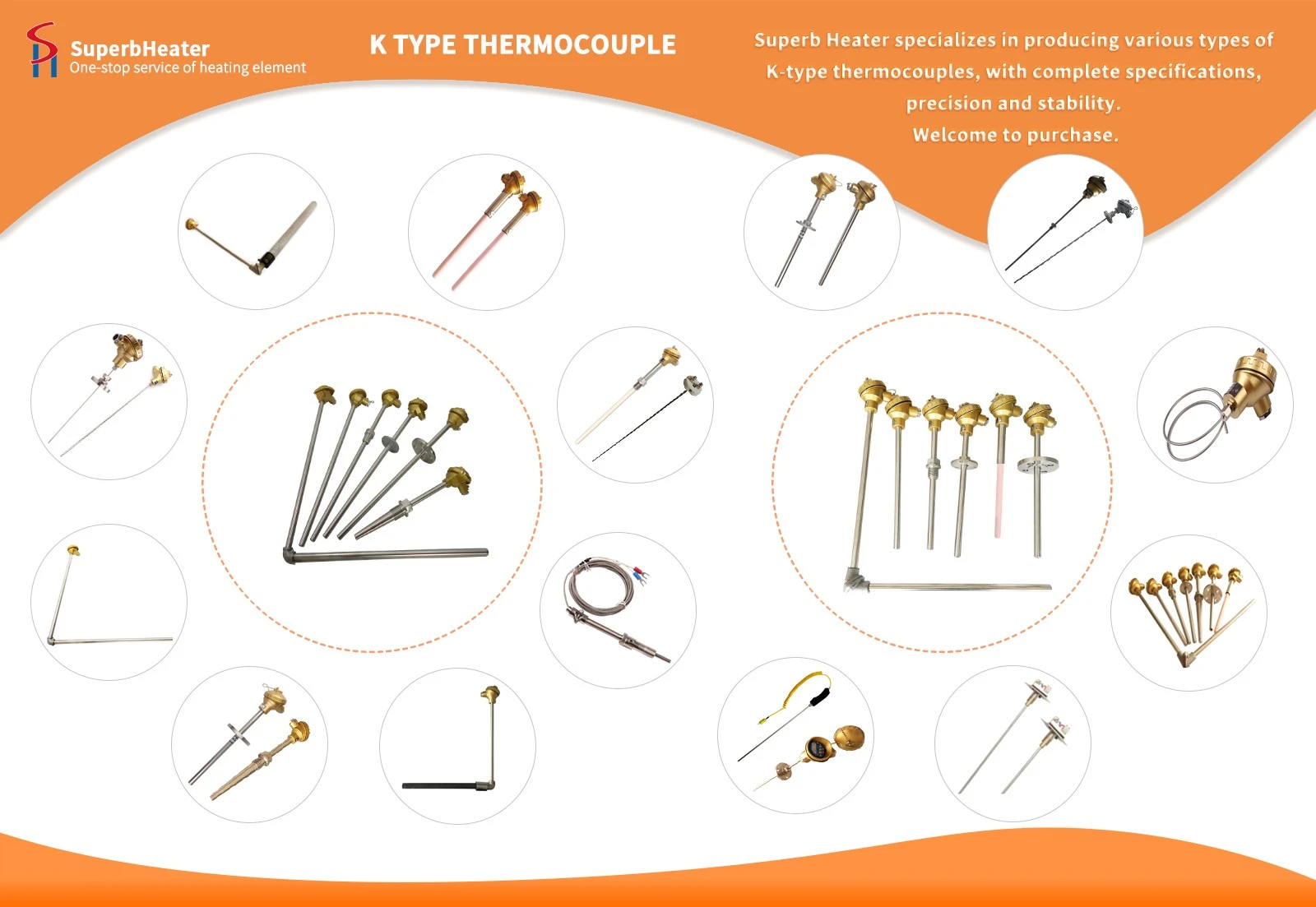
The location of thermocouples is critical to the temperature profiling. Use numerous sensors in each zone to detect thermal gradients. Critical zones should be verified by redundant sensors. Placement should take into account any temperature differences throughout the melt channel - additional sensors at upstream and downstream locations offer complete thermal mapping.
Special Cases Strategies
In the case of automobile moulds with several cavities, give preference to those cavities that create visible surfaces where heat changes cause the most important faults. For medical moulds, the focus is on homogeneous temperature distribution, regardless of the cavity position. For thin-wall components in packing moulds the focus should be on gate area temperature management as the smallest variances can impair fill and dimensional stability.
Monitoring and Validation
Refine profiles and verify them on actual production runs. Weigh, measure and check quality characteristics of parts from all cavities. If variances from cavity to cavity continue, review the profile and make any modifications. Early diagnosis of quality problems is possible by ongoing surveillance and logging of data, which allows for a profile drift. Automated profile monitoring implementation